How Time Zone Mismatch Impacts Your Health and Sleep
Lisa Bos ·
Listen to this article~4 min
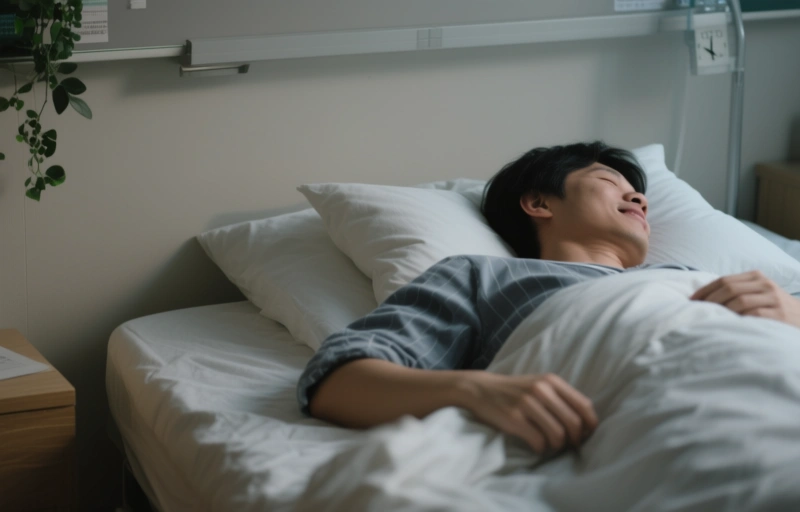
Living out of sync with natural sunlight patterns may be harming your health more than you realize. Learn how time zone mismatches affect sleep, energy, and wellbeing.
You know that groggy feeling when you wake up before your alarm? Or that afternoon slump that hits like a ton of bricks? It might not just be your busy schedule. There's a growing conversation about how living in a time zone that doesn't match our natural sunlight patterns could be quietly undermining our health.
Think about it. Our bodies run on internal clocks called circadian rhythms. They're expecting sunlight at certain times to regulate everything from sleep to digestion. When we're consistently out of sync with the sun's actual position, it's like forcing your body to live in perpetual mild jet lag.
### The Science Behind Sunlight and Sleep
Morning sunlight is crucial for setting our biological clock. It tells our brain to stop producing melatonin, the sleep hormone, and kickstart cortisol for daytime alertness. Without that proper morning light cue, the entire system gets confused. You might find yourself struggling to fall asleep at night, then battling fatigue all day.
It's not just about feeling tired. Research suggests chronic misalignment between our social clocks (work schedules) and biological clocks can contribute to:
- Increased risk of metabolic disorders
- Higher rates of mood disturbances
- Reduced cognitive performance
- Weakened immune function
### Small Changes for Better Alignment
You can't change your time zone, but you can work with your body's natural rhythms. Start by getting morning sunlight exposure within an hour of waking. Even on cloudy days, natural light is far more effective than indoor lighting for resetting your clock.
As one sleep researcher noted, "We've built a society that runs on clock time while our biology runs on sun time. That gap is where health problems emerge."
Try these simple adjustments:
- Keep consistent sleep and wake times, even on weekends
- Dim artificial lights in the evening, especially blue light from screens
- Create a dark, cool sleeping environment
- Avoid heavy meals and caffeine close to bedtime
### Listening to Your Body's Signals
Pay attention to when you naturally feel sleepy versus when you force yourself to stay awake. Notice when you're most alert and productive during the day. These are clues about your personal chronotype—whether you're naturally an early bird or night owl.
Many of us are fighting our biology to meet social expectations. The 9-to-5 workday might be convenient for business, but it doesn't work for everyone's internal clock. Some countries and companies are experimenting with flexible schedules that better match natural sleep patterns.
### Creating Healthier Time Habits
While we wait for systemic changes, there's plenty you can do today. Start by tracking your sleep for a week. Notice patterns. Then make one small change—perhaps moving your dinner earlier or establishing a wind-down routine.
Remember, it's about progress, not perfection. Even 15 minutes more sleep or 10 minutes of morning sunlight can make a noticeable difference. Your body will thank you with better energy, clearer thinking, and improved overall wellbeing.
The conversation about time zones and health is just beginning. As we learn more about circadian science, we might see changes in how we structure our days. For now, becoming more aware of the disconnect is the first step toward finding better balance.