How Spiritual Connections to Places Boost Mental Health
Lisa Bos ·
Listen to this article~4 min
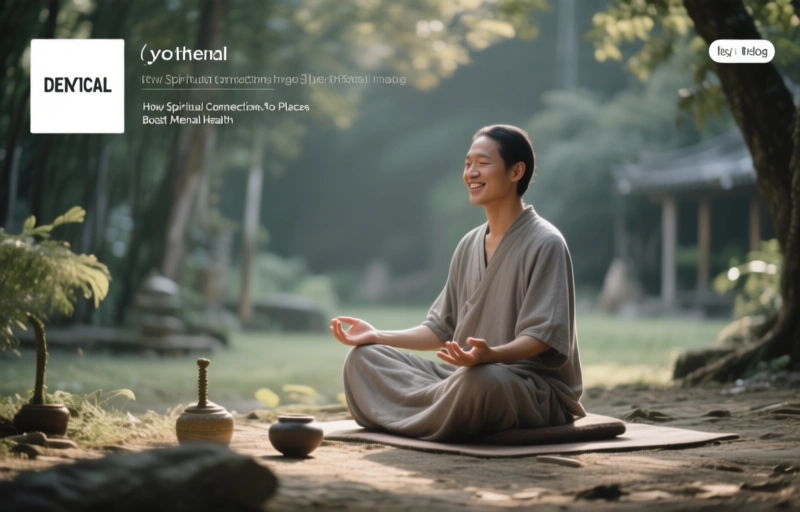
Discover how forming deep, spiritual connections to meaningful places—from parks to childhood homes—can significantly reduce stress, build resilience, and improve your overall mental well-being.
Have you ever visited a place and felt an immediate, deep connection? Maybe it's a childhood home, a favorite hiking trail, or even a quiet corner in a city park. That feeling isn't just nostalgia—it's a spiritual bond, and new research suggests these connections are powerful medicine for your mind.
We're talking about more than just liking a spot. A spiritual bond means a place feels significant, meaningful, and part of your story. It's where you feel grounded, understood, or inspired. In our fast-paced world, these anchors are becoming more important than ever for our mental well-being.
### Why Place Attachment Matters
Think about it. When you're stressed, where do you want to go? For many of us, it's a specific place that brings calm. This isn't random. Psychologists call this "place attachment," and it functions like an emotional safety net. These locations become external containers for our memories, identities, and sense of peace. They remind us who we are when we feel lost.
Developing these bonds doesn't require a pilgrimage to a famous site. It can happen anywhere you invest your attention and emotion. The key is repeated, meaningful interaction. It's the difference between a house you live in and a home you love.
### The Mental Health Benefits Are Real
So, what exactly do you gain from nurturing these connections? The benefits are surprisingly concrete:
- **Reduced Stress and Anxiety:** Familiar, loved places trigger a relaxation response. Your nervous system recognizes safety, lowering cortisol levels.
- **Enhanced Sense of Identity:** Our favorite places are often mirrors. They reflect our values, history, and what we find beautiful, strengthening our sense of self.
- **Increased Resilience:** Having a "go-to" place for solace creates a psychological resource. It's a tool you can use to cope during difficult times, making you more adaptable.
- **Deeper Social Bonds:** Shared special places strengthen relationships. Think of a family cabin or a cafe where you always meet friends. The place itself becomes part of the shared story.
As one researcher aptly put it, *"We don't just live in places; they live in us. They shape our emotional landscape in ways we are only beginning to understand."*
### How to Cultivate Your Own Meaningful Places
You can intentionally foster these bonds. Start by being more mindful in your daily environment. Notice how different places make you feel. Is there a bench with a great view on your walk? A cozy library corner? Pay attention.
Then, invest time there without distraction. Leave your phone in your pocket. Just be present. Engage your senses—notice the sounds, the light, the smells. Create small rituals, like having your morning coffee in that same sunny spot. Over time, these actions weave a deeper connection.
It's also helpful to link places to positive activities. Maybe you always read for pleasure in a certain chair, or you process your thoughts best on a particular walking route. The association between the activity and the place deepens the bond.
Remember, it's not about the grandeur of the location. A simple, accessible place you can return to regularly is often more powerful than a one-time visit to a spectacular destination. The magic is in the relationship you build with it.
In a world that often feels disconnected and digital, reconnecting with the physical spaces around us offers a profound path to better mental health. It's a reminder that healing and grounding can be found right outside your door, in the places that quietly hold your story.