How Siblings Help a 6-Year-Old Manage Food Allergies
Lisa Bos ·
Listen to this article~5 min
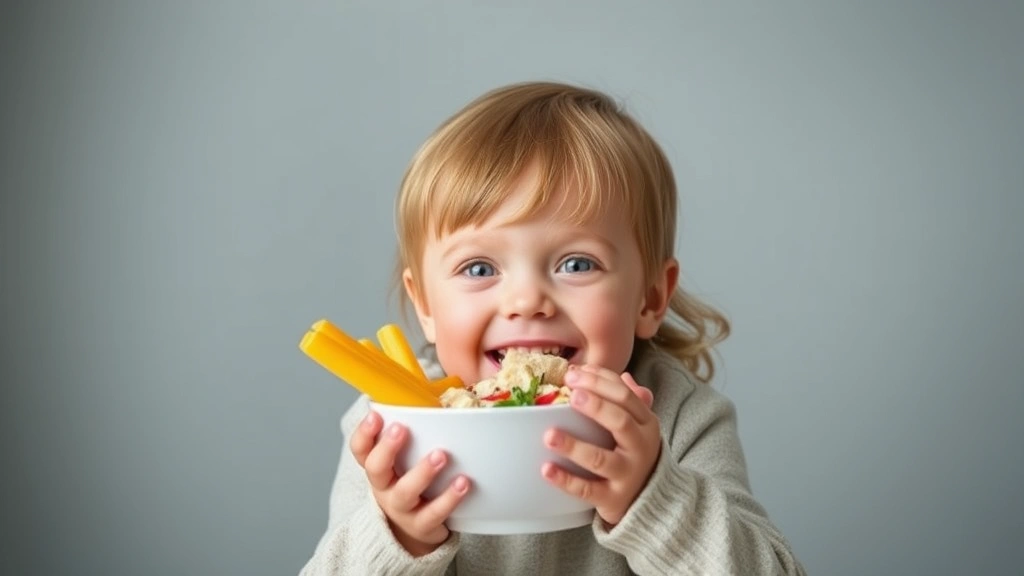
Discover how siblings become crucial allies in managing childhood food allergies. Learn practical strategies families use to create safe, supportive environments where children with allergies can thrive with brotherly protection.
When Sander was diagnosed with severe food allergies at age 4, his family's world changed overnight. Simple things like birthday parties, school snacks, and family dinners became minefields. But there's a beautiful twist to this story—Sander's two older brothers have become his most important allies. They're not just siblings; they're his frontline defense team, his educators, and his emotional support system.
Food allergies affect approximately 32 million Americans, including 5.6 million children under 18. That's about 1 in 13 kids—roughly two in every classroom. For families navigating this reality, the emotional and practical challenges can feel overwhelming. But Sander's story shows us something powerful: siblings can transform from playmates to protectors in ways that adults simply can't replicate.
### The Brotherly Protection System
Sander's brothers, ages 8 and 10, have developed what they call their "allergy radar." They've learned to read ingredient labels with surprising accuracy for their age. They know which snacks are safe and which ones contain hidden allergens. At birthday parties, they'll quietly check with parents about what's being served. During playdates, they'll remind friends' parents about Sander's restrictions. It's become second nature to them.
What's remarkable isn't just their vigilance—it's how they've normalized it. They don't make a big deal about checking labels or asking questions. They've turned safety into a routine, which helps Sander feel less different and more protected. This approach has reduced Sander's anxiety significantly. He knows his brothers have his back, literally and figuratively.
### Creating a Supportive Home Environment
The family has implemented several strategies that any household with food allergies might find helpful:
- Designated safe zones in the kitchen where only allergy-friendly foods are prepared
- Color-coded containers (green for safe foods, red for potential allergens)
- Regular family meetings to discuss upcoming events and potential challenges
- Emergency action plans posted in multiple locations throughout the house
- Practice sessions with epinephrine auto-injectors using training devices
These systems didn't develop overnight. They evolved through trial and error, with plenty of mistakes along the way. The key was involving all the children in creating solutions, not just imposing rules from above. When kids help create systems, they're much more invested in maintaining them.
### The Emotional Impact of Sibling Support
Research shows that children with food allergies often experience higher levels of anxiety and social isolation. They worry about accidental exposures, feel left out during food-related activities, and sometimes face bullying from peers who don't understand their condition. Sander's brothers have addressed these challenges head-on.
They've educated their own friends about food allergies, explaining why certain precautions are necessary. They've stood up for Sander when other children made insensitive comments. Most importantly, they've created inclusive play scenarios that don't revolve around food. Instead of focusing on what Sander can't have, they emphasize all the things they can do together.
One pediatric allergist I spoke with put it perfectly: "Siblings often understand the social dynamics of childhood better than parents do. They know how to make safety cool rather than cumbersome."
### Practical Tips for Families
If you're navigating food allergies with multiple children, here are some approaches that have worked for families like Sander's:
- Make education a family affair—everyone learns about allergens and emergency procedures
- Empower siblings with age-appropriate responsibilities (younger kids can help check labels, older ones can learn to use auto-injectors)
- Create special "allergy-free" traditions that all children enjoy
- Celebrate small victories and acknowledge the extra effort siblings put in
- Maintain open communication about feelings—everyone gets to express frustrations and fears
Remember, the goal isn't perfection. It's creating an environment where safety and normalcy coexist. Some days will be harder than others, and that's okay. What matters is the overall pattern of support and understanding.
### Looking Toward the Future
As Sander grows older, his relationship with his brothers will continue to evolve. The hope is that their early experiences will foster lifelong empathy and awareness. They're learning lessons about compassion, responsibility, and advocacy that extend far beyond food allergies.
For now, this family has found their rhythm. They've turned a challenging diagnosis into an opportunity for deeper connection. They've shown that while food allergies require constant vigilance, they don't have to define a childhood. With the right support system—especially the kind that comes from siblings who truly understand—children with food allergies can thrive, play, and grow just like their peers.
The takeaway is simple but profound: sometimes the best medicine isn't found in a prescription bottle. It's found in the protective circle of family, in the watchful eyes of brothers who've learned that love sometimes looks like reading an ingredient label one more time, just to be sure.