How Mom's Bacteria Shield Kids from Asthma and Allergies
Lisa Bos ·
Listen to this article~4 min
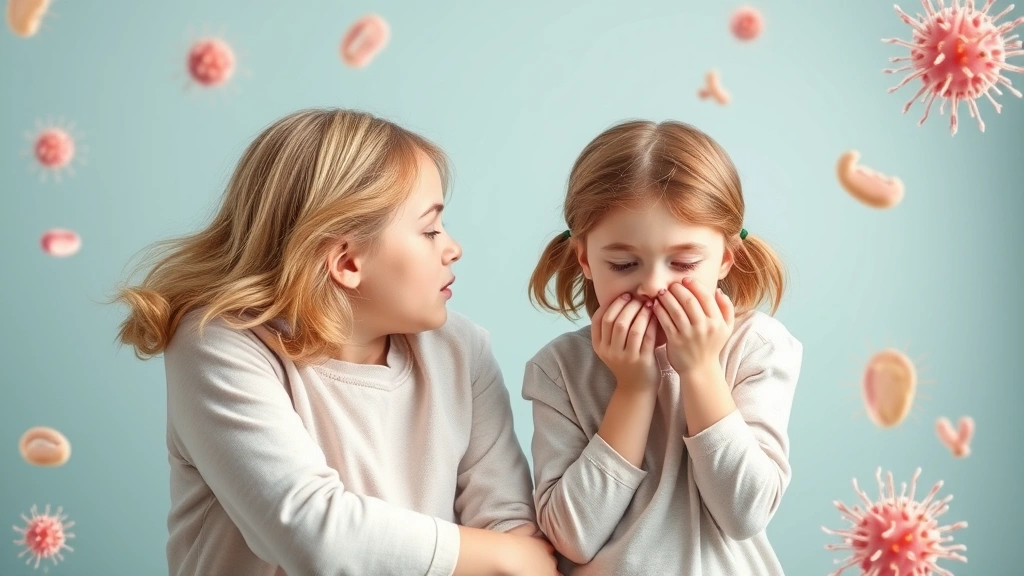
New science reveals a mother's microbiome may be key to protecting her child from developing asthma and food allergies. Learn how this bacterial handoff works and what it means for modern parenting.
You know that feeling when you're trying to protect your child from everything? The sniffles, the sneezes, the playground germs. Well, what if I told you some of the best protection comes from something you can't even see? It's not in a medicine cabinet. It's in you.
New research is shining a light on something pretty incredible. A mother's own bacteria—her microbiome—might play a starring role in shielding her baby from developing asthma and food allergies later on. It's a connection that's changing how we think about prevention.
### The Gut Feeling About Immunity
Think of your gut as a bustling city. Trillions of bacterial residents live there, and they're not just hanging out. They're training your immune system from day one. For a newborn, that initial bacterial "citizenship" comes primarily from mom—during birth and through breastfeeding.
When this bacterial handoff is rich and diverse, it's like giving the baby's immune system a complete instruction manual. It learns what's a real threat (like a harmful virus) and what's harmless (like pollen or peanuts). Without that diverse guidebook, the immune system can get confused. It might start sounding the alarm over everyday things, leading to allergic reactions and asthma.
### The Modern Lifestyle Factor
Here's the tricky part. Our modern, super-clean lifestyles might be working against us. We use antibacterial soaps, live in sealed homes, and take courses of antibiotics when we're sick. While these things have their place, they also reduce our exposure to the diverse microbes we co-evolved with.
This shift could be weakening that crucial bacterial transfer from mother to child. We're sanitizing away some of nature's best defenses. It's not about living in dirt, but maybe about being a little less afraid of it.
### What Does This Mean for Expecting and New Moms?
First, don't panic. This isn't about blame. It's about understanding and empowerment. Knowledge is power, right? Here are a few science-backed ideas that align with this research:
- **Consider your diet:** Eating a wide variety of fruits, vegetables, and fermented foods can help cultivate a diverse gut garden.
- **Think about probiotics:** Discussing probiotic foods or supplements with your doctor, especially during and after pregnancy, could be beneficial.
- **Embrace safe outdoor time:** Letting your baby play in the grass (supervised, of course!) exposes them to environmental microbes.
- **Question the need for antibiotics:** Always vital when truly needed, but it's okay to have a conversation with your pediatrician about whether they are absolutely necessary for minor illnesses.
As one researcher aptly put it, "We are not just individuals, we are ecosystems." The health of a mother's ecosystem directly influences the foundation of her child's.
### Looking Ahead: Beyond the Pill
This research points us toward a future where preventing allergies and asthma might start long before a child's first wheeze or hive. It suggests that supporting maternal health—and specifically her microbiome—could be a powerful public health strategy.
It moves the conversation from just treating symptoms to building resilience from the very beginning. The goal isn't to create a sterile bubble for our kids, but to help them build a robust immune system that knows friend from foe.
So the next time you worry about germs, remember: some of the tiniest ones might be your child's greatest allies. It's a humbling and hopeful thought, all at once.