How Maternal Bacteria Protect Babies from Asthma and…
Lisa Bos ·
Listen to this article~4 min
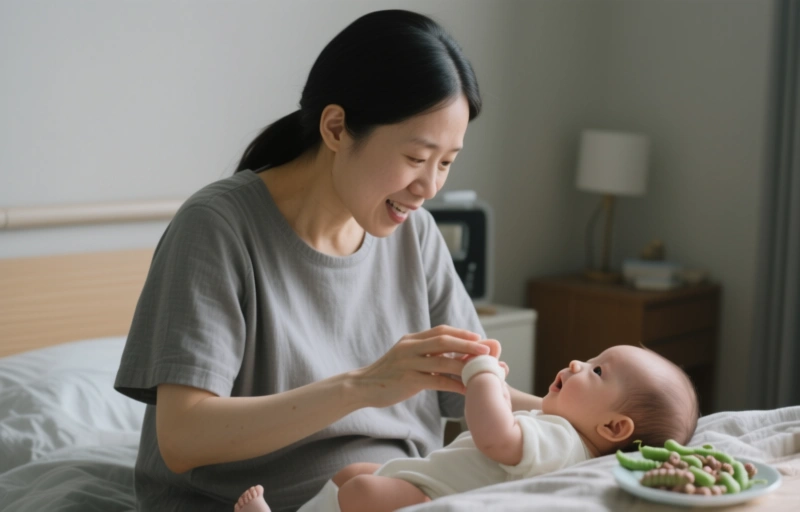
Discover how the bacteria mothers pass to their babies during birth and breastfeeding may help train the infant's immune system, reducing the risk of developing asthma and allergies later in life.
You've probably heard about the importance of gut health, but did you know a mother's microbiome might be her baby's first line of defense against asthma and allergies? It's a fascinating connection that's changing how we think about early immune development. Let's break down what the science is telling us about this protective relationship.
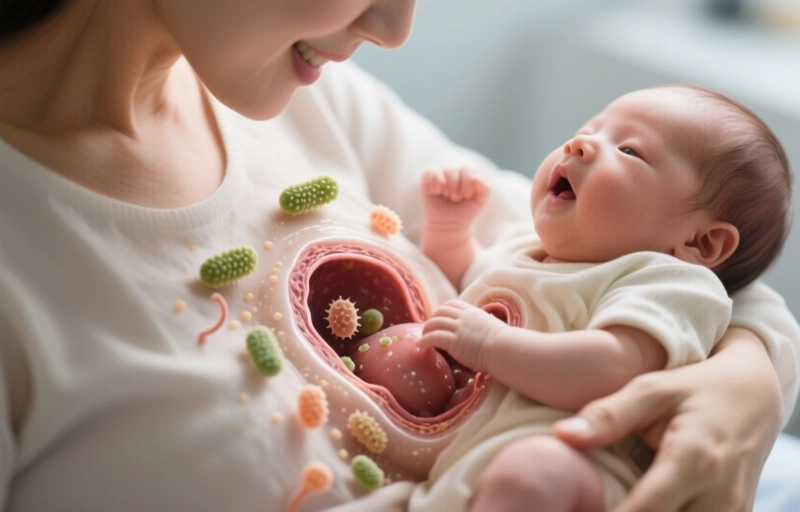
It turns out, the bacteria a mother passes to her child—during birth and through breastfeeding—does more than just aid digestion. These tiny organisms are like a training program for a newborn's immune system. They teach it what's safe and what's a real threat, potentially lowering the risk of developing allergic conditions later on.
### The Mother-Child Microbial Connection
Think of a mother's microbiome as a personalized gift to her baby. During a vaginal birth, the baby is coated in beneficial bacteria from the birth canal. Breast milk isn't sterile either—it contains live bacteria and special sugars designed to feed the good microbes in the infant's gut. This early colonization is crucial. It's the foundation upon which the child's own immune system learns to function properly.
When this microbial transfer is disrupted—say, through C-section delivery, antibiotic use, or formula feeding—the immune system's education can get off track. It might start overreacting to harmless things like pollen or pet dander, leading to allergies. Or it might trigger chronic inflammation in the airways, setting the stage for asthma.
### What This Means for Expecting and New Parents
First, don't panic. This isn't about assigning blame. It's about understanding the factors at play so you can make informed choices with your healthcare provider. If a C-section is medically necessary, that's what's safest for you and your baby. The goal is awareness, not guilt.
Here are some practical takeaways from the research:
- Discuss the use of antibiotics during pregnancy and labor with your doctor. They're life-saving when needed, but their impact on maternal and infant microbiomes is worth considering.
- If possible, aim for vaginal delivery when it's medically safe to do so.
- Consider breastfeeding if you're able. It's a direct pipeline for beneficial bacteria and prebiotics.
- For babies born via C-section, some research explores "vaginal seeding," but this should ONLY be done under strict medical supervision due to infection risks.
- A diverse, fiber-rich diet during pregnancy and breastfeeding can help cultivate a healthier maternal microbiome to pass along.
As one researcher noted, *"We're not just feeding our babies with breast milk; we're inoculating them with an entire microbial ecosystem."* This perspective shifts how we view those early days and months.
### Looking to the Future of Prevention
This research opens exciting doors. Could we one day develop probiotic supplements specifically designed for pregnant women to boost protective bacteria? Might we have better ways to support the microbiomes of infants who can't be breastfed or are born via C-section? Scientists are actively exploring these questions.
The takeaway is hopeful. We're learning that prevention of asthma and allergies might start much earlier than we thought—potentially in the first moments of life through the simple, powerful transfer of microbes from mother to child. It's a reminder of the profound and lasting connection between a mother and her baby, one that operates on a microscopic level with lifelong implications for health.