How Maternal Bacteria Protect Against Childhood Asthma and Allergies
Lisa Bos ·
Listen to this article~4 min
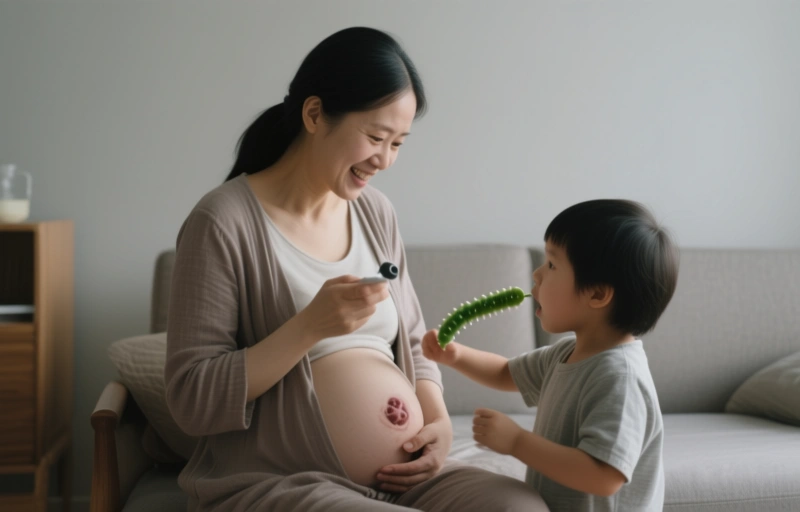
Discover how bacteria transferred from mother to child during pregnancy and infancy may protect against developing asthma and allergies by properly educating the immune system.
You know, it's fascinating how our bodies work. We often think of bacteria as something to avoid, something that makes us sick. But what if I told you that some bacteria—specifically those passed from mother to child—might actually be our first line of defense against developing asthma and allergies? It's a game-changer in how we understand immune development.
Recent research is pointing to the incredible protective role of maternal bacteria. It's not just about genetics anymore. The microbial environment a mother provides during pregnancy and early infancy seems to program a child's immune system for life. This connection is reshaping our approach to allergy prevention.
### The Mother-Child Microbial Connection
Think of it like this: a mother's body is the first ecosystem her child ever knows. During pregnancy, birth, and breastfeeding, she transfers trillions of bacteria to her baby. This isn't accidental—it's a carefully orchestrated process that's evolved over millions of years. These microbes colonize the baby's gut, skin, and respiratory tract, essentially teaching the immune system what's friend and what's foe.
When this microbial transfer is optimal, it helps the developing immune system learn tolerance. It's like giving the immune system a proper education before it goes out into the world. Without this education, the immune system might overreact to harmless substances like pollen or pet dander, leading to allergies and asthma.
### What Disrupts This Natural Protection?
Modern life has thrown some curveballs at this ancient process. Several factors can interfere with the natural transfer of protective bacteria:
- Overuse of antibiotics during pregnancy or early childhood
- C-section births (which bypass the birth canal's rich microbial environment)
- Formula feeding instead of breastfeeding
- Excessive hygiene and sanitization
- Limited exposure to diverse environments and animals
It's not that any single factor dooms a child to allergies. But collectively, these modern practices have changed our microbial landscape in ways we're just beginning to understand.
### Practical Steps for Supporting Healthy Microbiomes
So what can expecting mothers and new parents do? First, don't panic. The goal isn't to return to some idealized past, but to make informed choices where possible. If you need antibiotics, take them—but be aware they affect your microbiome. Discuss birth options with your healthcare provider, understanding that vaginal delivery offers microbial benefits when medically safe.
Breastfeeding provides not just nutrition but also live bacteria and prebiotics that feed beneficial microbes. When that's not possible, some formulas now include probiotics specifically designed to support immune development. And here's a comforting thought: "Sometimes the most protective thing we can do is simply trust the natural processes that have protected children for generations."
Beyond infancy, consider these approaches:
- Encourage outdoor play in diverse environments
- Consider having pets (research shows children with pets often have fewer allergies)
- Include fermented foods in family diets
- Use antibiotics only when truly necessary
- Don't over-sanitize your home environment
### The Future of Allergy Prevention
Researchers are now exploring how we might supplement or support this natural microbial transfer. Probiotic supplements for pregnant women and infants show promise, though we need more research to identify which strains are most beneficial. There's also exciting work on microbial transplants—though that's still in early stages for allergy prevention.
The takeaway? Our relationship with bacteria is more complex than we thought. Those microscopic organisms we've been taught to fear might actually hold the key to preventing some of our most common childhood health challenges. By understanding and supporting the maternal-child microbial connection, we're not just fighting allergies—we're helping build resilient immune systems from the very beginning.
It's a shift in perspective that could benefit generations to come. And it reminds us that sometimes, the smallest things—in this case, microscopic bacteria—can have the biggest impact on our health.