How Maternal Bacteria Protect Against Asthma and Allergies
Lisa Bos ·
Listen to this article~4 min
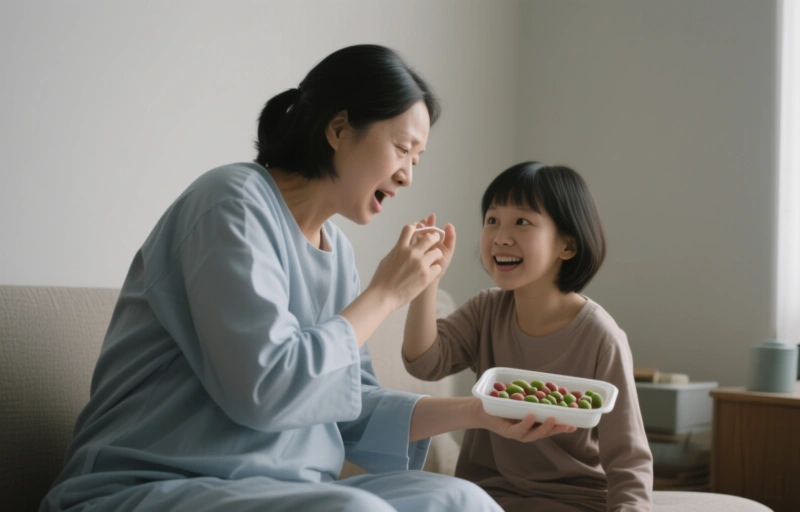
New research reveals how bacteria passed from mother to child may help train the infant immune system, offering a natural defense against developing asthma and food allergies later in life.
You know, it's fascinating how our bodies work. We often think of bacteria as something to avoid, something that makes us sick. But what if I told you that some bacteria—specifically those passed from mother to child—might actually be our first line of defense against conditions like asthma and food allergies?
It's true. Emerging research is painting a compelling picture of the maternal microbiome's protective role. This isn't about taking a pill or a special treatment. It's about understanding a natural, biological process that begins before we're even born.
### The Mother-Child Microbial Connection
Think of it like this: a mother doesn't just pass on her genes. She also passes on an entire ecosystem of microbes. During pregnancy and birth, a baby is exposed to its mother's unique bacterial community. This initial microbial handshake is crucial. It helps train the infant's developing immune system, teaching it the difference between a harmless substance and a real threat.
When this process gets disrupted, the theory goes, the immune system can become confused. It might start overreacting to things like pollen, pet dander, or certain foods. That overreaction is what we call an allergic response. For some kids, it can develop into asthma, where the airways themselves become inflamed and reactive.
### Why This Matters for Parents and Professionals
If you're a parent, or a healthcare professional working with families, this is powerful knowledge. It shifts the conversation from pure avoidance to one of foundational support. We're talking about the very building blocks of immune resilience.
Here are a few key takeaways from the current science:
- The maternal gut and vaginal microbiomes are primary sources of a baby's first bacteria.
- Delivery method (vaginal vs. cesarean) can influence this initial microbial transfer.
- Breastfeeding continues to supply beneficial bacteria and prebiotics that feed them.
- A diverse maternal diet supports a diverse microbiome, which may be passed on.
It's not about blaming any one factor, but understanding the complex interplay that sets a child's health trajectory.
### Looking Beyond Sterile Environments
We've spent decades creating cleaner, more sterile environments. And while that's helped with infectious diseases, it might have had an unintended consequence for our immune systems. The "hygiene hypothesis" suggests that without enough early microbial exposure, our defenses don't learn properly.
This new research on maternal bacteria adds a critical layer. It suggests the protection starts even earlier than we thought. It's not just about playing in the dirt as a toddler (though that helps too!). It's about the microbial legacy we receive at our very beginning.
As one researcher aptly noted, "We are not just human. We are a walking ecosystem, and our first tenants come from our mothers."
### What Does This Mean for the Future?
This isn't about quick fixes. You can't bottle this protective effect—at least not yet. But it does point to the profound importance of maternal health and prenatal care. Supporting the mother's microbiome through nutrition, reducing unnecessary stress, and minimizing the overuse of antibiotics during pregnancy could have long-term benefits for the child.
For healthcare providers, it underscores the need for a holistic view. Discussing diet, lifestyle, and birth plans with expecting mothers isn't just about the immediate pregnancy. It's about investing in the child's lifelong immune health.
The science is still evolving, but the message is clear: the bond between mother and child is more than emotional. It's microbial. And those tiny, invisible passengers might hold one of the keys to preventing the rising tide of allergic and asthmatic conditions we see today. It's a humbling reminder of nature's intricate design and the enduring power of that first connection.