How Maternal Bacteria Protect Against Asthma and Allergies
Lisa Bos ·
Listen to this article~4 min
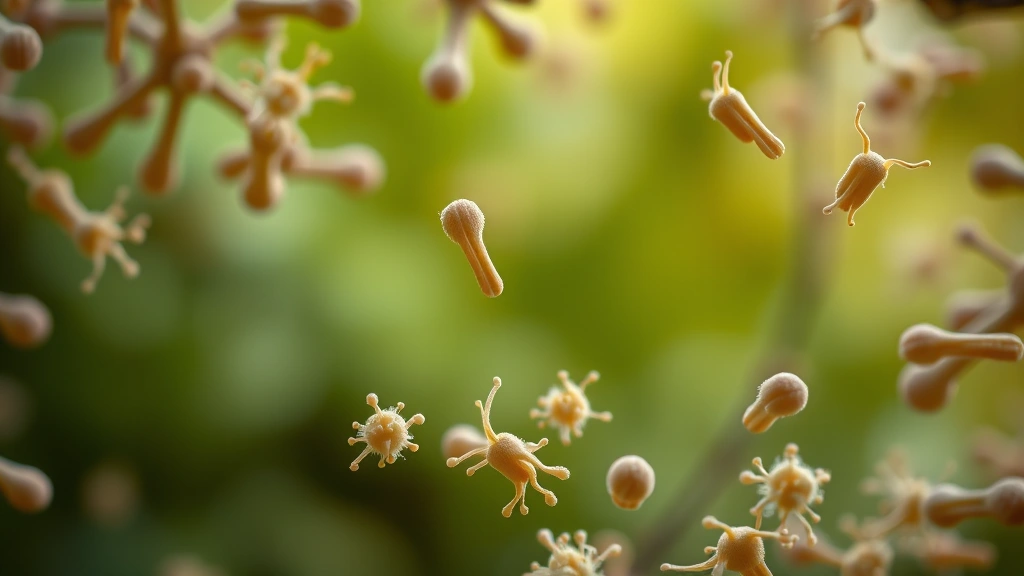
New research reveals how bacteria passed from mother to child may help train the infant immune system, reducing the risk of developing asthma and food allergies later in life.
You know, it's fascinating how our bodies work. We often think of bacteria as something to avoid, something that makes us sick. But what if I told you that some bacteria—specifically those passed from mother to child—might actually be our first line of defense against conditions like asthma and food allergies? It's a game-changer in how we understand early immune development.
For years, researchers have been trying to figure out why some kids develop allergies and asthma while others don't. Genetics play a part, sure. But there's more to the story. It turns out the microbial environment a baby is exposed to, starting even before birth, might be setting the stage for lifelong health.
### The Mother's Microbial Gift
Think of it this way: a mother doesn't just pass on her genes. She also passes on a living, breathing ecosystem of microbes. This happens during birth, through breastfeeding, and even through close skin-to-skin contact. These aren't random germs. They're a carefully curated first microbiome, a starter kit for the baby's own immune system.
This early microbial exposure teaches the baby's immune cells what's friend and what's foe. It's like the immune system's first training manual. Without this diverse bacterial input, the immune system might get confused. It might start overreacting to harmless things like pollen or peanuts, leading to allergies and asthma.
### The Science Behind the Protection
So, what's the actual mechanism? Studies suggest that certain maternal bacteria help promote a balanced immune response. They encourage the development of regulatory T-cells, which are the peacekeepers of the immune system. These cells help prevent excessive inflammation and keep allergic reactions in check.
When this bacterial transfer is disrupted—whether through C-section births, antibiotic use, or overly sterile environments—the immune system's education gets cut short. The result can be an increased risk for atopic diseases. It's not about being "too clean," but about missing out on specific, beneficial microbes at a critical window of development.
### What This Means for Families
This research isn't about placing blame on mothers. Far from it. It's about understanding the factors we can influence. Here are a few evidence-based takeaways that are gaining traction:
- Vaginal birth, when possible, provides direct microbial transfer.
- Breastfeeding continues to supply beneficial bacteria and prebiotics.
- Probiotic supplementation during pregnancy is an area of active research.
- Early exposure to pets and diverse environments may boost microbial diversity.
The goal isn't to panic over every decision, but to make informed choices where we can. As one researcher put it, "We're learning that health is seeded in those first moments of life."
### Looking to the Future
This field is moving fast. The next frontier is pinpointing exactly which bacterial strains are most protective. Could we one day develop targeted probiotics for at-risk infants? It's a real possibility. This knowledge empowers us to think differently about prevention, shifting focus slightly from treating symptoms to supporting foundational health from day one.
It's a hopeful message. It suggests that by nurturing our microbial relationships, especially in those early years, we might be able to gently guide the immune system toward tolerance and resilience. That's a powerful thought for any parent concerned about their child's health trajectory.