How Daylight Saving Time Affects Your Sleep and Health
Lisa Bos ·
Listen to this article~4 min
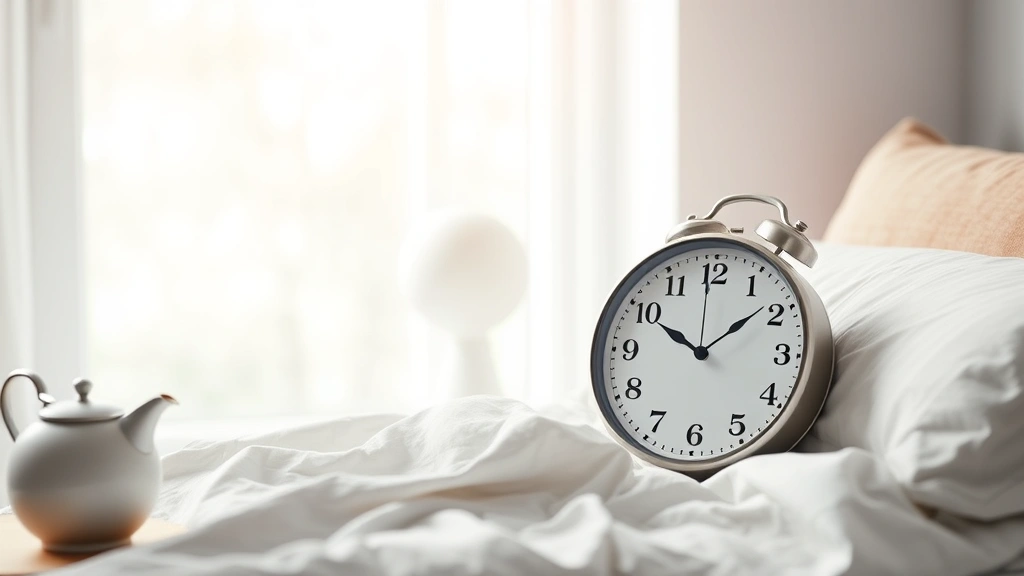
Daylight saving time disrupts more than your schedule. Learn how the spring time change impacts your sleep quality, health, and daily performance, plus get practical tips to adjust smoothly and protect your well-being.
So, daylight saving time just kicked in. You set your clocks forward, and now you're feeling a bit off. That's not just in your head. That one-hour shift does more than just change your schedule—it messes with your body's internal clock, and the effects can ripple through your health for days, even weeks.
Let's talk about why that happens and what you can actually do about it. It's not just about feeling tired on Monday morning.
### Your Body's Internal Clock Is Thrown Off
Your body runs on a 24-hour cycle called the circadian rhythm. It's like a master conductor, telling your brain when to release hormones for sleep and wakefulness. Light is its main cue. When we suddenly shift the clock by an hour, we're asking our bodies to adjust to a new light-dark schedule almost overnight.
It's a bit like getting mild jet lag without leaving your time zone. Your sleep-wake cycle, body temperature, and even your digestion get out of sync. For some people, especially night owls or those with already irregular sleep patterns, this adjustment can be particularly rough.
### The Real Impact on Your Sleep Quality
Losing that hour of sleep isn't just about quantity. The quality of your sleep takes a hit, too. You might find yourself:
- Waking up more frequently during the night
- Struggling to fall asleep at your usual time
- Experiencing less restorative deep sleep
This sleep disruption doesn't just make you groggy. It can affect your mood, your concentration, and yes, even your appetite. When you're sleep-deprived, your body produces more ghrelin (the hunger hormone) and less leptin (the fullness hormone). That's why you might find yourself craving carbs and sugary snacks more than usual.
### Beyond Sleep: Broader Health Connections
The effects go beyond just feeling tired. Research has shown some concerning patterns in the days following the spring time change. There's often a noticeable, though temporary, spike in:
- Workplace accidents and injuries
- Traffic incidents during the morning commute
- Even heart-related events for those already at risk
It sounds dramatic, but it highlights how deeply connected our sleep is to our overall physical well-being. Your immune system, your stress response, and your cardiovascular health all rely on consistent, quality rest.
### Practical Tips to Adjust Smoothly
Okay, enough about the problems. What can you do? The good news is, you're not powerless. Here are some simple, effective strategies to help your body adapt.
Start adjusting your sleep schedule a few days *before* the change. Go to bed and wake up 15-20 minutes earlier each day. It's a gentler approach than a sudden one-hour shock.
Maximize your light exposure in the morning. Get outside for a walk or sit by a sunny window. This bright light early in the day helps reset your internal clock faster. Conversely, dim the lights and limit screen time in the evening to signal to your brain that it's time to wind down.
Be mindful of your habits. Avoid caffeine and heavy meals too close to bedtime. Try to keep your exercise routine consistent, but maybe opt for a morning workout instead of an evening one right after the change.
As one sleep researcher put it, "We treat this clock change as a minor inconvenience, but for our biology, it's a significant event." The key is to give your body the grace and the cues it needs to catch up.
Remember, it usually takes most people about a week to fully adjust. Be patient with yourself. Prioritize a consistent sleep schedule, even on the weekends, and create a relaxing bedtime routine. Your body will thank you for it, not just this week, but all year long.