Horses in Pediatric Care: Thomas More Launches Animal-Assisted Therapy Course
Lisa Bos ·
Listen to this article~3 min
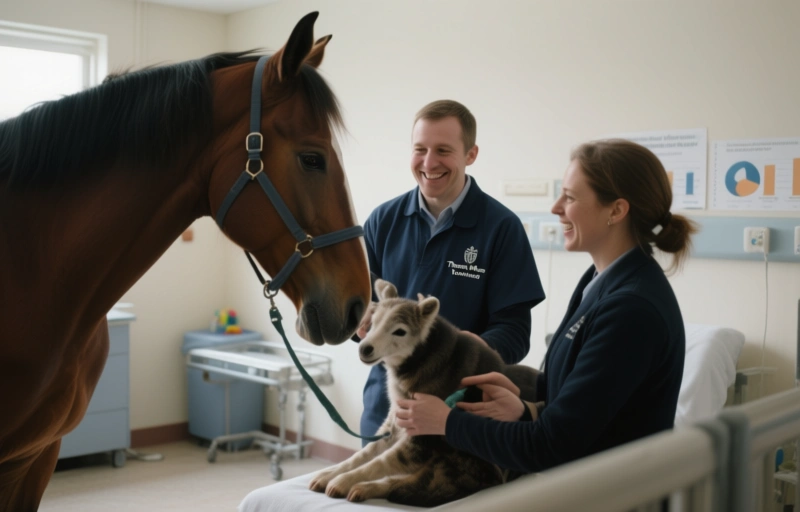
Thomas More University launches a groundbreaking program training healthcare professionals in animal-assisted therapy, including horses in pediatric care. Discover how this innovative approach is transforming patient healing.
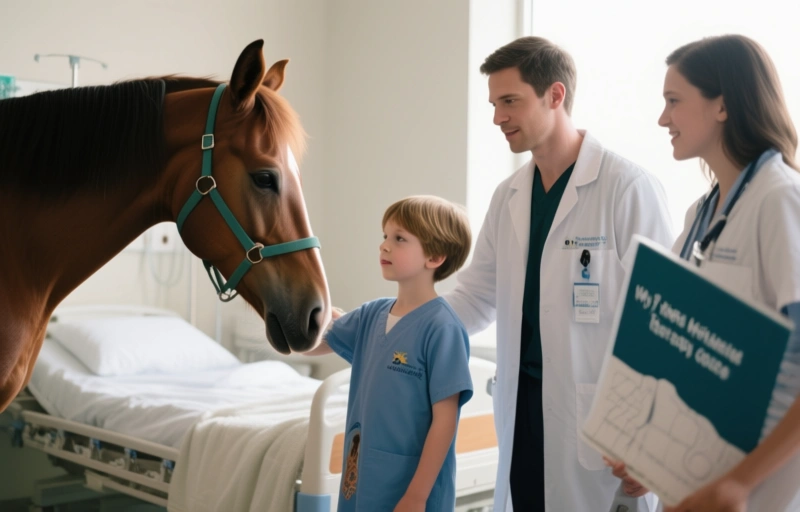
Imagine a horse walking into a children's hospital room. It sounds unusual, right? But that's exactly what Thomas More University is making possible with their new program focused on animals in healthcare.
This isn't just a feel-good story. It's a real shift in how we think about healing. Animals, especially horses, can create connections that traditional medicine sometimes can't reach.
### Why Animals in Healthcare?
Research shows that interacting with animals can lower stress, reduce anxiety, and even improve physical outcomes. For kids in the hospital, a visit from a gentle horse can be a powerful distraction from pain.
- **Emotional comfort:** Animals provide unconditional acceptance. Kids often open up more to a horse than to a therapist.
- **Physical benefits:** Grooming or walking a horse can improve motor skills and coordination.
- **Social interaction:** Animals can be a bridge for kids who struggle to communicate with others.
Thomas More's new course trains healthcare professionals to integrate animals safely and effectively. It's not just about bringing a dog into a ward—it's about understanding animal behavior, infection control, and patient needs.
### What the Program Covers
The curriculum includes:
- Animal handling and safety protocols
- Understanding patient-animal bonds
- Ethical considerations in animal-assisted therapy
- Practical sessions with horses, dogs, and other therapy animals
Graduates will be equipped to design and implement animal-assisted interventions in hospitals, clinics, and care facilities.
### A Personal Take
I remember visiting a children's hospital years ago and seeing a therapy dog named Max. The kids' faces lit up. One little girl, who hadn't spoken in days, started whispering to Max. That moment stuck with me. Animals have this incredible ability to reach parts of us that words can't.
This program isn't just about training—it's about recognizing that healing isn't always about pills and procedures. Sometimes it's about presence. A horse's gentle nuzzle or a dog's wagging tail can be just as therapeutic as any medicine.
### What This Means for US Healthcare
In the United States, animal-assisted therapy is growing fast. Hospitals like Mayo Clinic and UCLA already use therapy dogs. But horses? That's still rare. Thomas More's program could inspire similar initiatives here.
> "The human-animal bond is a powerful tool in healthcare. We're just scratching the surface of what's possible." — Dr. Sarah Jenkins, pediatric psychologist
For professionals in the US, this is a chance to learn from European innovations. The program is fully online and open to international students. It's a unique opportunity to gain skills that are in high demand.
### How to Get Involved
If you're a healthcare professional or student interested in animal-assisted therapy, check out Thomas More's website for details. The next cohort starts soon.
Remember, the goal isn't to replace traditional care—it's to complement it. And sometimes, a horse in the pediatric ward is exactly what the doctor ordered.
Let me know your thoughts. Have you ever seen animal therapy in action? I'd love to hear your stories.