Health Minister Seeks to Remove Alcohol Warning Labels
Lisa Bos ·
Listen to this article~3 min

A health minister argues alcohol warnings should not focus on 'misuse' but state it's harmful from the first drink, challenging how we communicate risk.
You've probably seen those warnings on alcohol ads. You know, the ones that say something like 'drink responsibly' or warn against 'misuse.' Well, a health minister in Europe is making headlines for wanting to get rid of them. Not because he thinks drinking is safe, but because he believes the message is fundamentally wrong.
His argument is stark and simple: 'Alcohol is harmful from the first glass.' The current warnings, he contends, imply there's a safe level of 'use' before it becomes 'misuse.' This framing, he argues, is misleading and downplays the real, cumulative risks that start with that very first sip.
### The Problem with 'Responsible Drinking' Messaging
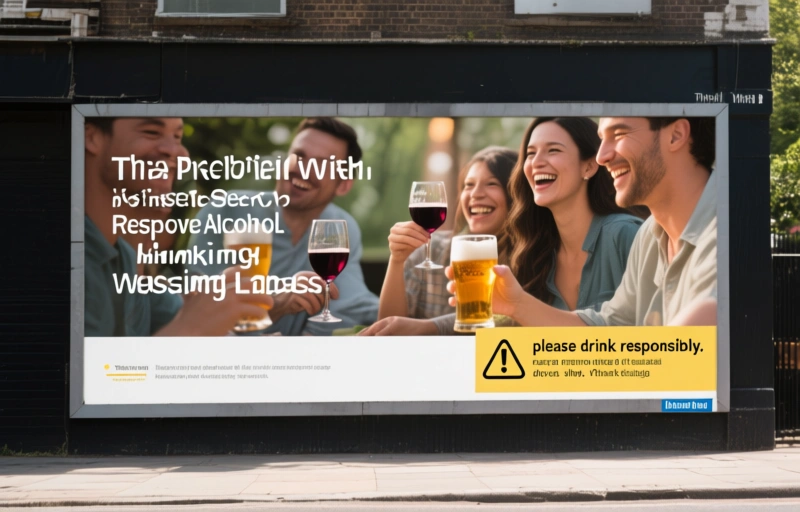
Think about it. When an ad shows happy, healthy people enjoying a beer or a glass of wine with a tiny 'please drink responsibly' disclaimer, what's the underlying message? It suggests that as long as you're not falling-down drunk, you're in the clear. It creates a mental distinction between 'normal' drinking and 'problem' drinking.
But the science is increasingly clear that the health impacts are on a continuum. Even moderate consumption has been linked to various health risks. By focusing the warning only on 'misuse,' we might be giving people a false sense of security about their 'normal' drinking habits. It's a bit like putting a 'smoke responsibly' label on a cigarette pack—it doesn't really address the core issue.
### What Does the Science Say About 'The First Glass'?
This isn't just a philosophical debate. Public health research supports the idea that risk begins early. While the risks are certainly dose-dependent, meaning they increase with more alcohol, there's no completely safe threshold. The body starts processing the ethanol immediately, and even small amounts can:
- Impair judgment and coordination
- Contribute to long-term health issues like certain cancers and liver disease over time
- Interact negatively with medications
Labeling laws are powerful tools. They shape public perception. The move to remove the 'misuse' warning is really about wanting a more honest conversation. Perhaps the label should simply state the fact, without the qualifier.
### A Shift in Public Health Communication
This proposal signals a potential major shift. For decades, the dominant public health message in many places has been about moderation and responsible use. This approach seeks to reframe alcohol not as a benign product that becomes dangerous only when abused, but as a substance with inherent risks.
It's a controversial stance, to be sure. The beverage industry is likely to push back strongly. Many social drinkers might feel it's an overreach. But it forces us to ask an important question: are our current warnings designed to truly inform, or are they designed to protect industry interests while paying lip service to health concerns?
Where do you stand? Is it time for a more direct, less sugar-coated warning about alcohol? Or does the 'responsible use' message still have value in promoting moderation? It's a complex issue with no easy answers, but it's one that affects millions of people every single day. The conversation, it seems, is just beginning.