Government Puts Short-Term Profit Over Youth Health
Lisa Bos ·
Listen to this article~3 min
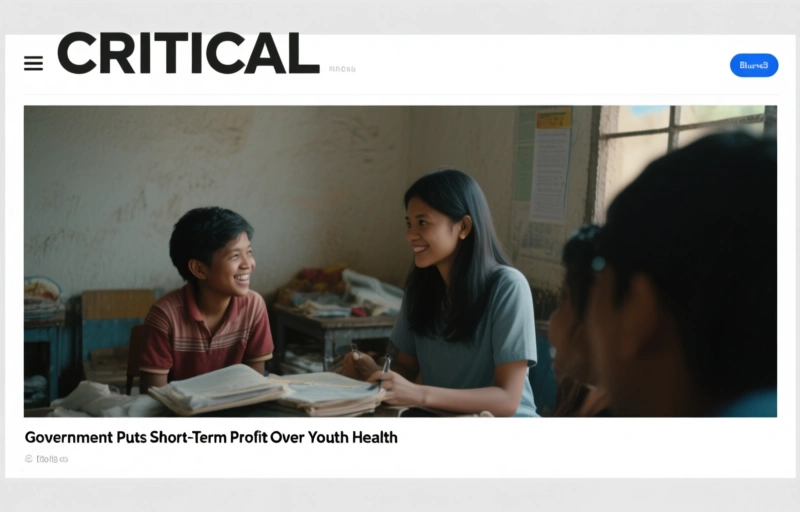
Discover how short-term economic decisions are harming youth health. This article explores the real costs of prioritizing profit over people and offers actionable solutions for a healthier future.
A recent report from De Morgen highlights a troubling trend: governments are prioritizing short-term economic gains over the long-term health of our youth. It's a classic case of kicking the can down the road, and our kids are the ones who'll pay the price.
### The Real Cost of Cheap Choices
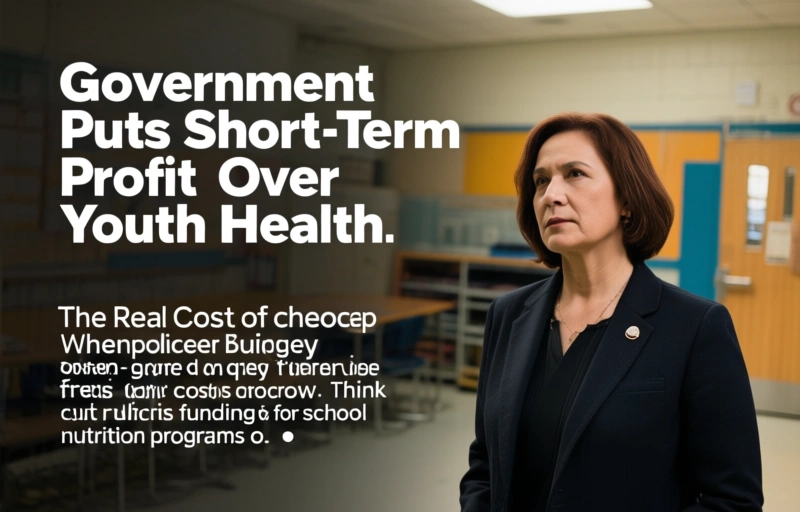
When policymakers choose budget-friendly options today, they often ignore the hidden costs tomorrow. Think about it: cutting funding for school nutrition programs or delaying regulations on junk food advertising might save money now, but it sets our children up for a lifetime of health battles.
- **Obesity rates** are climbing faster than ever
- **Type 2 diabetes** is no longer an adult-only disease
- **Mental health issues** are surging among teens
These aren't just statistics. They're real kids struggling with real problems, all because we chose the easy, cheap path.
### What's Really at Stake?
We're talking about more than just individual health. When a generation grows up sicker, the economic impact is massive. Higher healthcare costs, lost productivity, and a strained system that can't keep up. It's a vicious cycle that starts with that one "small" decision to put profits first.
> "The greatest threat to our planet is the belief that someone else will save it." — Robert Swan
That quote applies perfectly here. We can't keep assuming future generations will fix what we break today.
### A Better Path Forward
So what can we do about it? For starters, we need to demand more from our leaders. That means:
1. **Investing in preventive care** – A few dollars spent now saves hundreds later
2. **Supporting local food systems** – Fresh, healthy options should be the norm, not the exception
3. **Regulating harmful marketing** – Kids shouldn't be bombarded with ads for sugary, processed foods
It's not about being perfect. It's about making smarter choices that balance economic realities with human well-being. We can have both, but only if we're willing to look past the next quarter's bottom line.
### The Bottom Line
Our kids deserve better than being collateral damage in a short-sighted economic game. It's time to shift the conversation from "what's cheapest now" to "what's best for the future." Because when we invest in youth health, we're investing in everything.
Let's stop pretending this is a trade-off. It's not economics versus health. It's smart economics that includes health. And that's a win for everyone.