From Pills to Prevention: How to Avert a Healthcare Crisis
Lisa Bos ·
Listen to this article~4 min
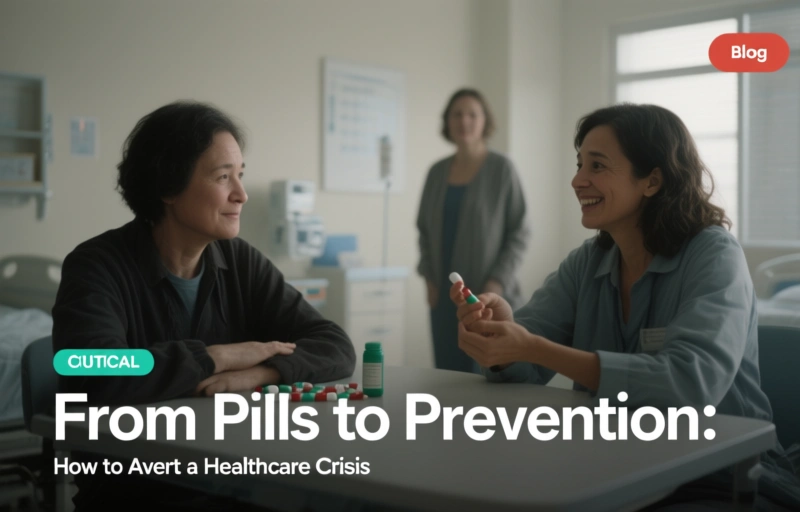
Our healthcare system focuses on treating disease instead of preventing it. Learn why shifting from pills to prevention is essential to avoid a crisis and how simple steps like blood testing can help.
We've all heard the saying: an ounce of prevention is worth a pound of cure. But in our healthcare system, we seem to have flipped that logic on its head. We wait until people are sick, then throw expensive pills and procedures at them. It's like ignoring a leaky faucet until the whole kitchen floods, then calling a plumber to rip out the drywall.
That's the core argument in a recent piece that's been making the rounds. The message is simple but powerful: we need to shift our focus from treating disease to preventing it in the first place. Otherwise, we're heading straight for a system that's too overloaded to function.
### Why Prevention Gets Overlooked
Let's be honest: prevention isn't sexy. It doesn't make headlines like a new cancer drug or a groundbreaking heart surgery. It's the quiet work of eating well, moving your body, and catching problems early. But that quiet work is exactly what keeps people out of the hospital.
Our current system is built to reward intervention. Doctors get paid for procedures, not for spending an extra 15 minutes talking to a patient about their diet. Insurance companies often cover the cost of a $50,000 surgery but balk at paying for a $200 nutritionist visit. That math just doesn't add up.
Here's the thing: prevention doesn't have to be complicated. It starts with basics like:
- Regular check-ups that include simple blood tests
- Understanding your own family health history
- Making small, sustainable changes to your daily habits
### The Role of Blood Testing in Prevention
One of the most powerful tools we have is blood testing. A simple blood draw can reveal so much about what's happening inside your body long before you feel any symptoms. It can flag vitamin deficiencies, early signs of inflammation, or markers that suggest you might be at risk for chronic disease.
Think of it like checking your car's oil before the engine seizes. You don't wait for the warning light to come on. You check it regularly so you know everything is running smoothly. Blood tests do the same thing for your body.
For those dealing with nagging health issues like fatigue, brain fog, or digestive problems, a food sensitivity test can be a game-changer. It helps you identify which foods might be triggering inflammation, so you can make targeted changes instead of guessing.
### What Needs to Change
The shift from pills to prevention isn't just about individual choices. It requires a fundamental change in how we think about healthcare. Here's what that looks like:
**For individuals:** Take ownership of your health. Learn what your numbers mean. Don't just wait for your doctor to tell you something is wrong. Ask questions. Get tested. Be proactive.
**For healthcare providers:** Embrace a model that values time spent on education and prevention. That might mean recommending lifestyle changes before reaching for the prescription pad.
**For the system:** Reward outcomes, not procedures. Make preventive care affordable and accessible. Because a dollar spent on prevention today can save ten dollars on treatment tomorrow.
This isn't about blaming anyone. It's about recognizing that we're all stuck in a system that's designed to treat sickness, not create wellness. And if we want to avoid a healthcare meltdown, we need to flip that script.
### A Final Thought
The idea of "fewer pills, more prevention" isn't radical. It's common sense. But common sense doesn't always translate into common practice. It takes effort to change habits, to ask the right questions, and to prioritize your health before a crisis hits.
The good news? You don't have to wait for the system to change. You can start today. Get a blood test. Look at your diet. Move your body. It's the best investment you'll ever make.
Because at the end of the day, the best cure is the one you never need.