Free Baby Blood Test Screens for 19 Conditions
Lisa Bos ·
Listen to this article~4 min
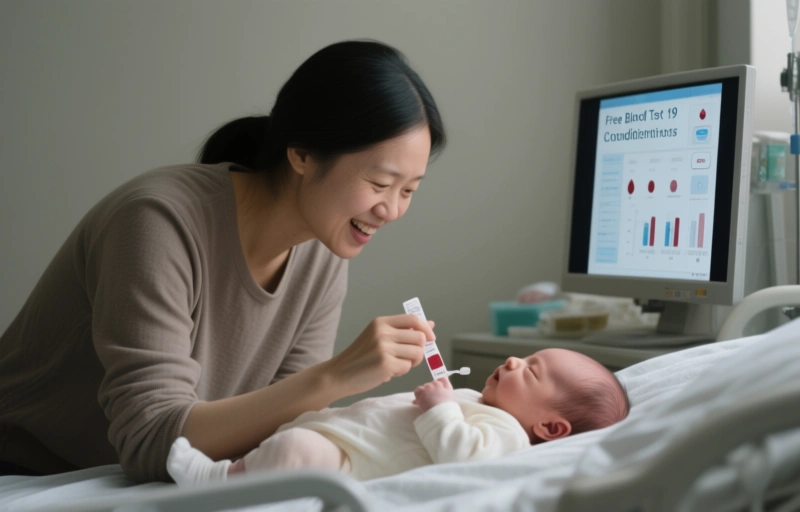
Discover how a free newborn blood test can screen your baby for 19 serious conditions. Learn what's tested, why early detection matters, and how to get this simple heel prick test for peace of mind.
When you bring a new baby home, your world gets smaller and bigger at the same time. You worry about everything—is she sleeping enough, is he eating well, is that rash normal? It's a lot. But here's some good news: there's a simple, free blood test that can give you peace of mind about 19 serious but treatable conditions.
### What Is This Free Baby Blood Test?
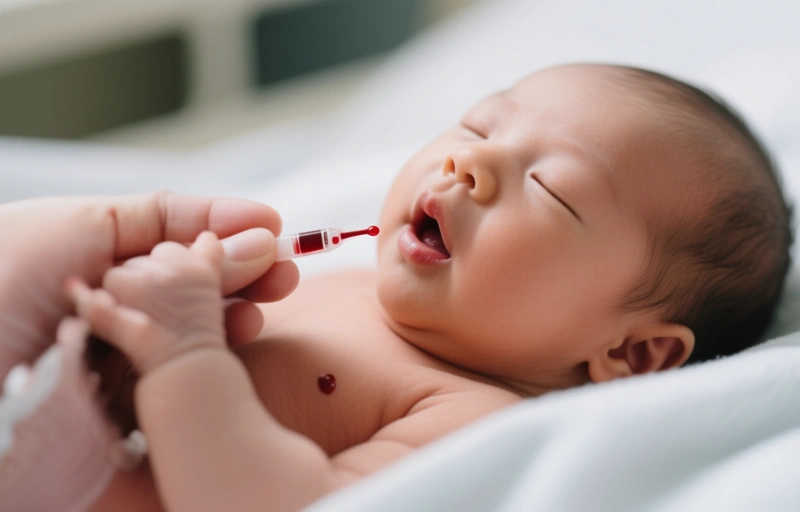
This is a newborn screening, often called the heel prick test. It's usually done in the first few days after birth. A tiny sample of blood is taken from your baby's heel and sent to a lab. The lab checks for 19 different congenital disorders—these are conditions your baby is born with, not something they catch later.
The best part? It's completely free for parents. The test is part of standard public health programs in many places, including the United States. You don't need to sign up or pay a dime.
### Why Testing Matters So Early
Some of these 19 conditions don't show symptoms right away. They can quietly affect your baby's development, growth, or even their life. But if caught early, many can be managed or treated effectively.
For example, phenylketonuria (PKU) is a condition where the body can't process a certain amino acid. Without treatment, it can cause brain damage. But with a simple diet change, babies with PKU grow up healthy and smart. That's why early detection is everything.
### What Conditions Are Screened?
The 19 conditions include:
- Metabolic disorders (like PKU and maple syrup urine disease)
- Endocrine disorders (like congenital hypothyroidism)
- Blood disorders (like sickle cell disease)
- Cystic fibrosis
- Hearing loss (often tested separately)
Each one is rare, but together they affect about 1 in 300 babies. That's a lot of families who benefit from this simple test.
### How the Test Works
The procedure is quick. A nurse or technician pricks your baby's heel to collect a few drops of blood onto a special card. The card is then sent to a state lab. Results usually come back within a week or two.
It might make you a little nervous to see your baby cry, but the whole thing takes less than a minute. The pain is minimal, and the peace of mind is huge.
"I was scared when the nurse said they'd test my baby for 19 things," says one mom from Ohio. "But now I'm so grateful. We found out my son had a thyroid issue at just 3 days old. He's 2 now and perfectly healthy."
### What If the Test Finds Something?
If your baby's test comes back positive for one of the conditions, don't panic. A positive screen doesn't mean your baby definitely has the disease—it just means more testing is needed. Your doctor will guide you through the next steps. In many cases, early treatment can prevent serious problems.
Remember, these tests are designed to catch problems early. They're not a diagnosis. They're a safety net.
### How to Get Your Baby Tested
In the United States, newborn screening is standard in every state. You don't need to request it—it's automatically offered at the hospital after birth. If you give birth at home, your midwife or doctor can arrange it. Just ask.
If you're worried about cost, don't be. It's covered by insurance and public health programs. And if you don't have insurance, many states offer it for free.
### Final Thoughts
This tiny blood test is one of the most important things you can do for your newborn. It's quick, painless, and free. And it could save your baby's life. So when the nurse comes in with that little lancet, take a deep breath. You're doing something amazing for your child.
Have questions? Talk to your pediatrician or local health department. They can give you all the details.