4 Foods Oncologists Urge You to Avoid for Dinner
Lisa Bos ·
Listen to this article~4 min
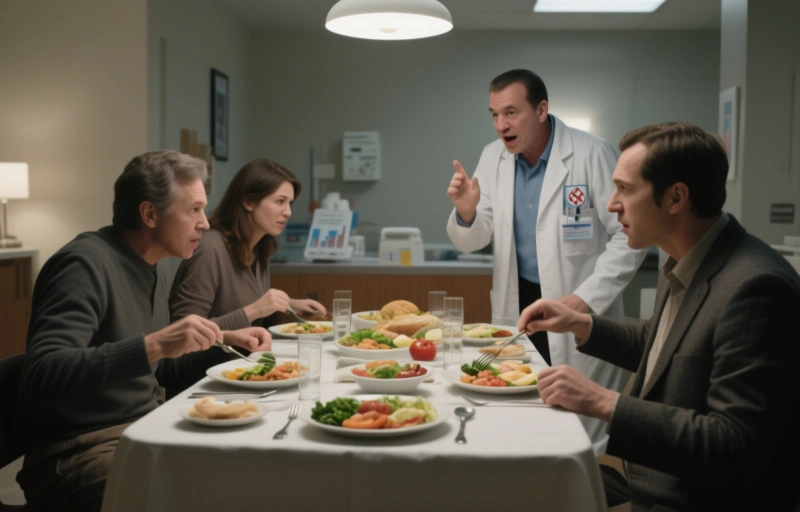
Oncologists reveal the four types of foods you should avoid at dinner to support your body's natural repair processes and reduce long-term health risks. Learn what to eat instead.
You know that feeling after a heavy dinner? The sluggishness, the bloating, maybe even a bit of heartburn. Now, imagine what's happening inside your body on a cellular level. It's a thought that keeps many oncologists up at night. They see the direct line between our daily choices and long-term health outcomes, especially when it comes to the evening meal.
Let's have a real talk about dinner. It's not just about calories; it's about what those calories are made of and how they interact with your body's natural rhythms. The choices you make at the end of the day can either support your body's repair processes or actively work against them.
### The Evening Meal: A Critical Window
Think of your body like a city. During the day, it's all hustle—digestion, movement, work. At night, the maintenance crews come out. This is when your body focuses on repair, detoxification, and cellular cleanup. What you eat for dinner directly fuels or hinders this essential overnight work. Oncologists point out that certain foods create inflammation, spike insulin at the wrong time, and burden the liver when it should be resting.
So, what's on their 'please avoid' list for your evening plate? It's not about extreme deprivation, but about making smarter swaps. Here are the four main culprits they highlight.
- **Processed and Cured Meats:** This includes things like bacon, sausage, hot dogs, and deli meats like salami. The concern here is two-fold: nitrates/nitrites used in preservation and compounds formed during high-heat cooking. These can promote inflammation and create an environment less friendly to your cells.
- **Heavily Charred or Grilled Foods:** That perfectly blackened steak or burger might taste great, but the charring process creates heterocyclic amines (HCAs) and polycyclic aromatic hydrocarbons (PAHs). These are compounds that have been linked to cellular damage. It's the high, direct heat that's the issue.
- **Ultra-Processed Snacks and Sweets:** We're talking chips, cookies, candy, and sugary desserts. These foods cause a rapid spike in blood sugar and insulin. Eating them late means your body is dealing with that sugar rush instead of focusing on repair. They also tend to be low in nutrients and high in unhealthy fats.
- **Fried Foods:** Fried chicken, french fries, mozzarella sticks—you get the idea. The combination of unhealthy fats, high calories, and the compounds formed during the frying process (like acrylamide in starchy foods) creates a significant inflammatory load for your body to process overnight.
Now, this doesn't mean you can never enjoy these foods. The key is frequency and timing. Having them occasionally for lunch, when your metabolism is more active, is very different from making them a regular dinner staple.
### What Should You Eat Instead?
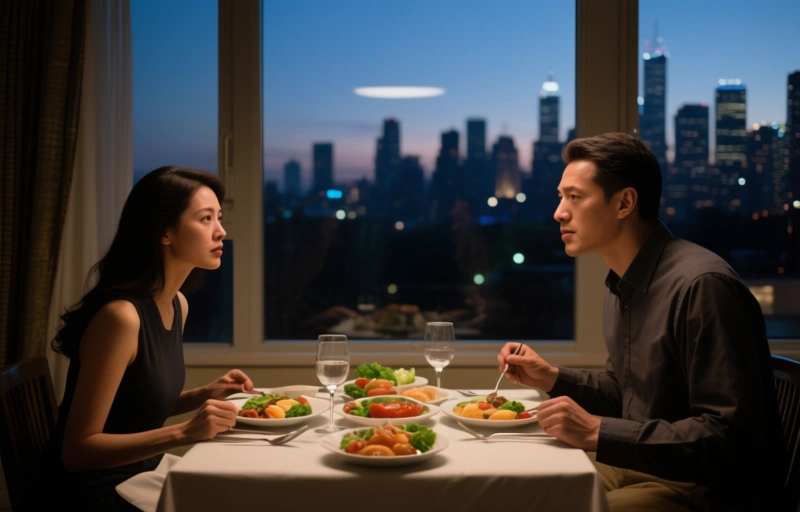
It's not all about cutting things out. It's about crowding out the less helpful choices with better ones. Focus on building a dinner plate that's colorful and balanced.
Aim for a generous portion of non-starchy vegetables—think broccoli, spinach, bell peppers, or a big salad. Add a lean source of protein like grilled chicken, fish, tofu, or legumes. Include a small serving of a complex carbohydrate like quinoa, sweet potato, or brown rice. This combination provides steady energy, fiber, and nutrients without the inflammatory or glycemic spike.
As one specialist I spoke with put it: "Your dinner should feel like you're tucking your body in for a night of rest, not sending it to work a night shift in a factory."
Making these changes isn't about perfection. It's about progress. Start by swapping one 'avoid' food for a better option this week. Your future self will thank you for the quieter, more supportive internal environment you're creating every night.