Experts Analyze Trump's Mental Health: Nursing Home…
Lisa Bos ·
Listen to this article~3 min
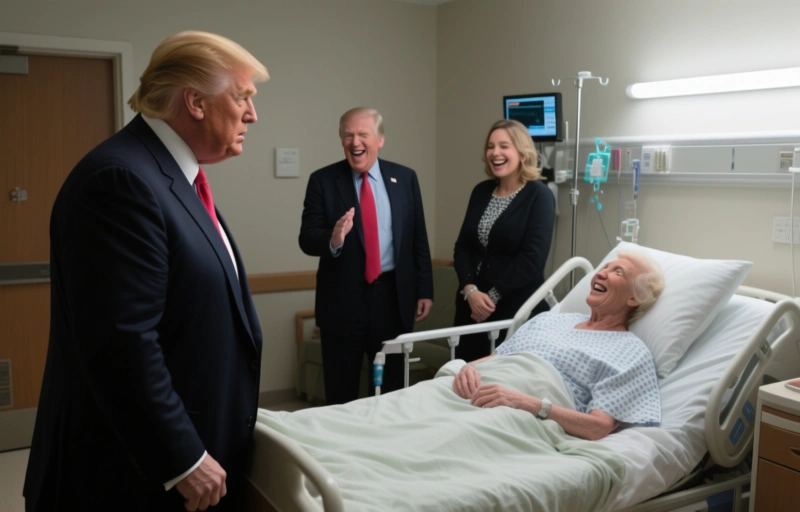
American mental health experts draw comparisons between Trump's public behavior and clinical management in nursing homes, highlighting disparities in how similar symptoms are addressed.
When you hear political commentary these days, it's hard to ignore the intense focus on leadership and mental fitness. Recently, some American mental health experts have made rather stark comparisons regarding former President Donald Trump's public behavior. They've suggested that individuals displaying similar patterns in clinical settings, like nursing homes, would often be managed with medication to stabilize their condition.
That's a pretty heavy statement, isn't it? It immediately raises questions about how we evaluate public figures versus how we treat similar behaviors in private medical contexts. The conversation isn't just about politics—it's about the standards we apply and the language we use when discussing psychological health in the spotlight.
### The Clinical Perspective on Public Behavior
Mental health professionals are trained to observe patterns. When they watch public speeches, interviews, and rallies, they're not diagnosing from afar—that's unethical and impossible without a full evaluation. Instead, they're noting behaviors that, in a different setting, would trigger specific clinical concerns. Things like grandiosity, pressured speech, and adversarial reactions are part of a checklist they know well.
In a nursing home or hospital, a patient exhibiting persistent, disruptive behaviors that align with certain profiles might be offered medication. The goal is safety and stabilization, not political commentary. The experts' point seems to be about the disparity in response: one setting leads to medical intervention, while the other plays out on the national stage.
### Why This Discussion Matters
This isn't about partisan politics. It's about the precedent we set for evaluating leaders. If we normalize certain behaviors in one arena that we'd treat as concerning in another, what does that say about our collective standards? It creates a confusing double standard that can undermine public trust in both medicine and governance.
We should be asking ourselves some tough questions:
- How do we balance privacy with the public's right to know about a leader's fitness?
- Where is the line between professional observation and unethical speculation?
- What frameworks should exist for discussing the mental health of public figures responsibly?
There are no easy answers here. But ignoring the conversation doesn't make the questions go away. As one expert indirectly noted through their analogy, we sometimes medicate symptoms in private that we simply debate as character traits in public. That disconnect is worth examining, regardless of your political stance.
### Navigating Mental Health Conversations
Talking about mental health is always delicate. When it involves public figures, the stakes feel higher and the potential for harm increases. We must remember that armchair diagnosis is harmful and inaccurate. What we can do is advocate for clear, consistent standards and compassionate dialogue.
Perhaps the real takeaway is this: our systems for evaluating fitness—whether for office or for discharge from a hospital—should be transparent, evidence-based, and applied consistently. When they're not, it's worth asking why and working toward better frameworks. After all, the health of our public discourse might just depend on it.