Experts Analyze Trump's Mental Health: Nursing Home…
Lisa Bos ·
Listen to this article~3 min
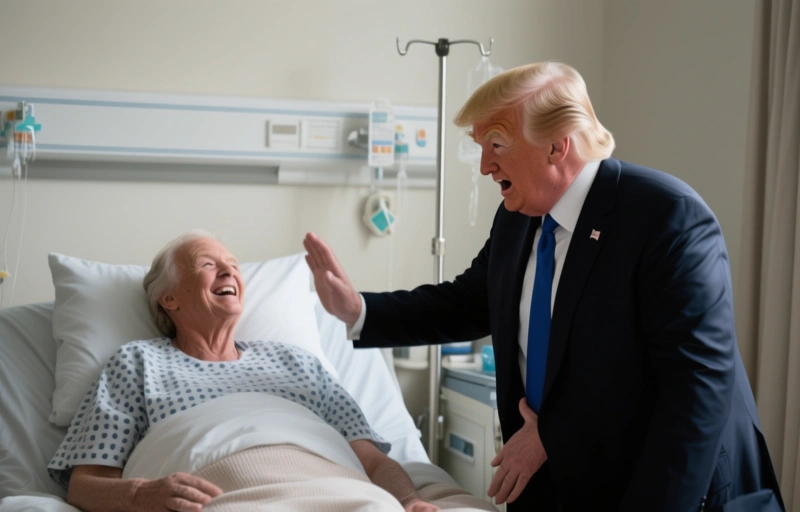
Mental health experts are drawing stark comparisons, analyzing public behavior and sparking a necessary debate about leadership standards and psychological fitness for high office.
You've probably seen the headlines. They're everywhere lately. Experts are weighing in, and some of their comments are pretty stark. One statement in particular caught my attention – a comparison about how certain behaviors might be managed in very different settings.
It makes you think, doesn't it? About leadership, about public perception, and about the standards we apply in different arenas of life. The conversation has shifted from policy alone to include deeper questions about stability and decision-making at the highest levels.
### What Experts Are Saying
The core of the discussion centers on professional observations from the psychiatric and psychological communities. These aren't casual opinions; they're based on publicly observable behavior and speech patterns. The analogy drawn to nursing home care was meant to highlight a contrast in how similar symptoms might be addressed in a clinical versus a political context.
It's a provocative comparison, for sure. It's designed to make a point about intervention thresholds. In one environment, certain signs might prompt a specific medical response. In another, those same signs are part of a national political dialogue. That's the jarring disconnect some professionals are pointing out.
### The Public and Private Divide
This is where it gets tricky. We're talking about a public figure, so there's a constant tension between a person's right to privacy and the public's right to understand the fitness of their leaders. Medical ethics traditionally prevent professionals from diagnosing someone they haven't personally examined. Yet, the "Goldwater Rule" is debated constantly in moments like these.
Some experts argue that when behavior is on display for the entire world, it becomes a matter of public concern, not just private health. Others hold the line firmly, stating that armchair diagnosis is irresponsible no matter the circumstances. It's a debate with no easy answers.
### Why This Conversation Matters
Let's be clear: this isn't about one person. It's about a precedent. It's about what we, as a society, consider important for leadership roles. Are we paying enough attention to psychological stamina? Should it be part of the conversation alongside political ideology and experience?
- **Setting a Standard:** Discussions like this can influence future expectations for candidates.
- **Public Awareness:** They get people thinking about mental health in a broader context, breaking down stigma.
- **Accountability:** They question whether existing systems for evaluating fitness for office are sufficient.
As one commentator put it, *"We often scrutinize a candidate's financial history or their past statements, but we shy away from a holistic view of their capacity to handle immense, unrelenting pressure. That pressure is a job requirement, so shouldn't the capacity to manage it be one too?"*
Ultimately, this news cycle is about more than a single headline. It's a symptom of a larger, ongoing conversation we're having about power, health, and transparency. It's messy and uncomfortable, but perhaps that's exactly why it's necessary. These discussions force us to define what we truly value in those who seek to lead, and what safeguards we believe should be in place, not just for them, but for the country they aim to serve.