Ebola Scare at Dutch Hospital Turns Out False
Lisa Bos ·
Listen to this article~2 min
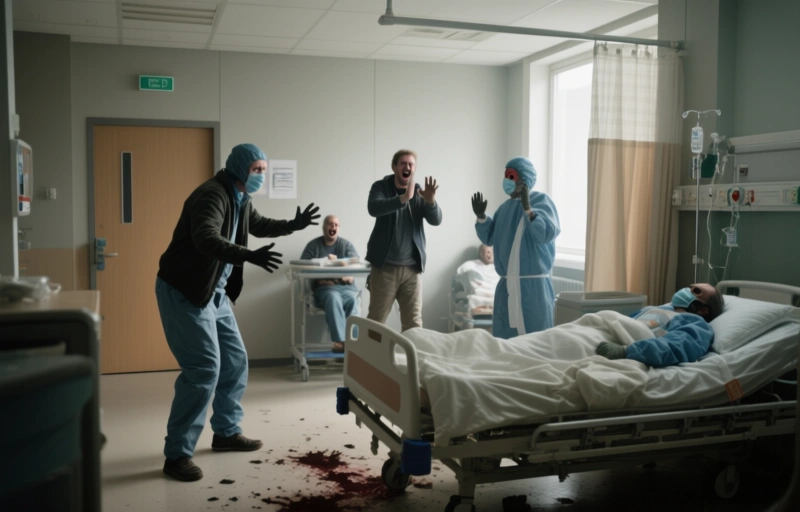
A patient at Radboud University Medical Center in the Netherlands was initially suspected of having Ebola, but further tests confirmed it was a false alarm. Learn what happened and why thorough testing matters.
A recent health scare at Radboud University Medical Center in the Netherlands had everyone on edge. Initial tests suggested a patient might have Ebola, but further investigation confirmed it was a false alarm. Let's break down what happened and why this matters for public health.
### The Initial Concern
When news broke that a patient at Radboudumc was being tested for Ebola, it naturally raised alarm. Ebola is a severe, often fatal illness with a high mortality rate. The hospital quickly isolated the patient and followed strict protocols to prevent any potential spread.
But here's the thing: Ebola is extremely rare outside of Africa. The symptoms—fever, headache, muscle pain—can mimic many other diseases. This is why thorough testing is crucial before jumping to conclusions.
### What the Investigation Revealed
After running comprehensive tests, researchers confirmed the patient did not have Ebola. The initial suspicion was based on symptoms and travel history, but lab results cleared the air. This is a classic example of why we shouldn't panic before all the facts are in.
- **Rapid response**: The hospital's quick isolation measures were appropriate.
- **Thorough testing**: Multiple tests ruled out Ebola.
- **Public reassurance**: The result eased fears in the community.
### Lessons for Public Health
This incident highlights the importance of robust diagnostic procedures. In the United States, we have similar systems in place at hospitals like the CDC's quarantine stations. When a potential outbreak arises, quick action and accurate testing are our best defenses.
It also reminds us that health scares can happen anywhere. Staying informed but calm is key. If you ever find yourself in a similar situation, trust the experts and wait for official results.
### Final Thoughts
So, what's the takeaway? False alarms are part of the process. They show our health systems are working as intended—by being cautious and thorough. The patient at Radboudumc is now safe, and the hospital can return to normal operations.
Remember, health news can be scary, but verified information is always better than speculation. Stay curious, stay informed, and don't let headlines stress you out.