Ebola Scare at Dutch Hospital Turns Out False
Lisa Bos ·
Listen to this article~3 min
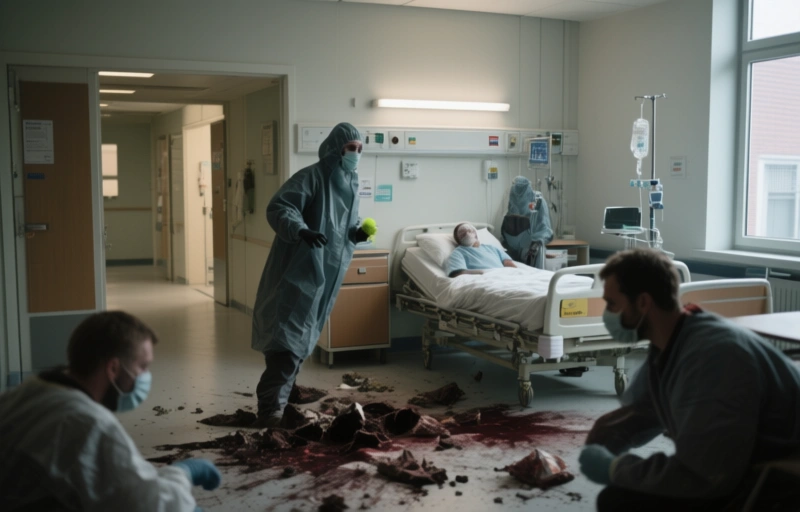
A patient at a Dutch hospital was initially suspected of having ebola, but tests confirmed it was a false alarm. This case underscores the need for accurate diagnostics and calm responses in health scares.
A recent health scare at a Dutch hospital had everyone on edge. A patient was initially suspected of having ebola, but further testing showed it was a false alarm. This incident highlights the importance of accurate diagnostics and the need for calm in the face of potential outbreaks. Let's break down what happened and what we can learn from it.
### The Initial Alarm
When a patient at Radboudumc in the Netherlands showed symptoms consistent with ebola, medical staff immediately took action. They isolated the patient and followed strict protocols to prevent any potential spread. The news quickly made headlines, causing concern among the public and healthcare professionals alike.
But here's the thing: initial symptoms of ebola can mimic other, more common illnesses. Fever, headache, and muscle pain are also signs of the flu or other viral infections. That's why diagnostic testing is so critical.
### The Importance of Accurate Testing
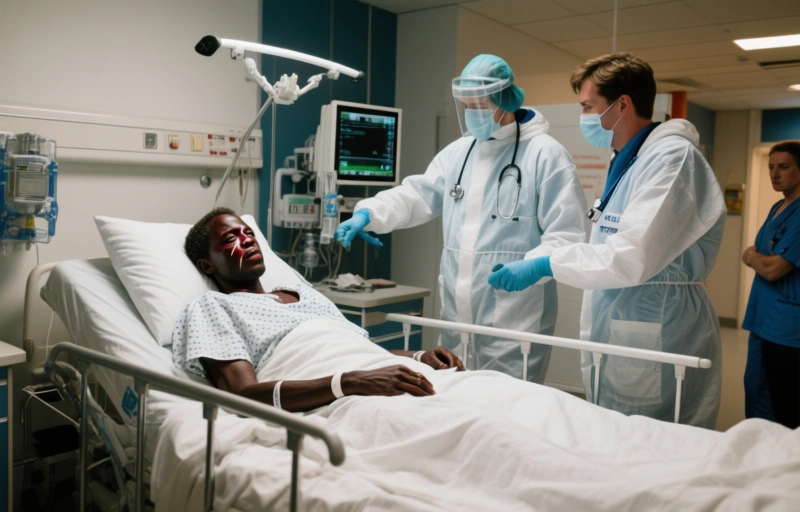
After running thorough tests, doctors confirmed the patient did not have ebola. It was a huge relief, but it also serves as a reminder of how vital accurate diagnostics are. In the world of food allergies and health testing, this principle holds true too.
False positives can cause unnecessary stress and lead to restrictive diets or treatments. On the flip side, false negatives might mean missing a real threat. That's why we always emphasize the need for reliable tests when it comes to your health.
### Lessons for Health Professionals
For those of us working in health and diagnostics, this case offers several takeaways:
- **Stay calm under pressure**: Panic can lead to mistakes. Follow protocols and wait for test results.
- **Communicate clearly**: Keep patients and the public informed without causing unnecessary alarm.
- **Invest in quality diagnostics**: Accurate tests save lives and prevent false alarms.
Whether you're dealing with a potential ebola case or a suspected food allergy, the same principles apply. Always verify before jumping to conclusions.
### What This Means for You
You might be wondering how this relates to your own health. Well, if you're dealing with suspected food allergies or other health issues, remember that symptoms can be misleading. That's why professional testing is so important.
Don't self-diagnose based on a few symptoms. Work with a specialist who can run the right tests and give you accurate answers. It might save you from unnecessary worry or help you identify a real problem that needs attention.
### Final Thoughts
This ebola scare at Radboudumc turned out to be nothing more than a false alarm. But it's a powerful reminder of how easily fear can spread and why accurate diagnostics matter. In the end, the patient got the care they needed, and the hospital's protocols worked as intended.
For health professionals and patients alike, the takeaway is clear: trust the testing process and don't let fear cloud your judgment. Accurate information is your best defense against both real threats and false alarms.