Early Spring Allergies: Why So Many Kids Are Sneezing Now
Lisa Bos ·
Listen to this article~3 min
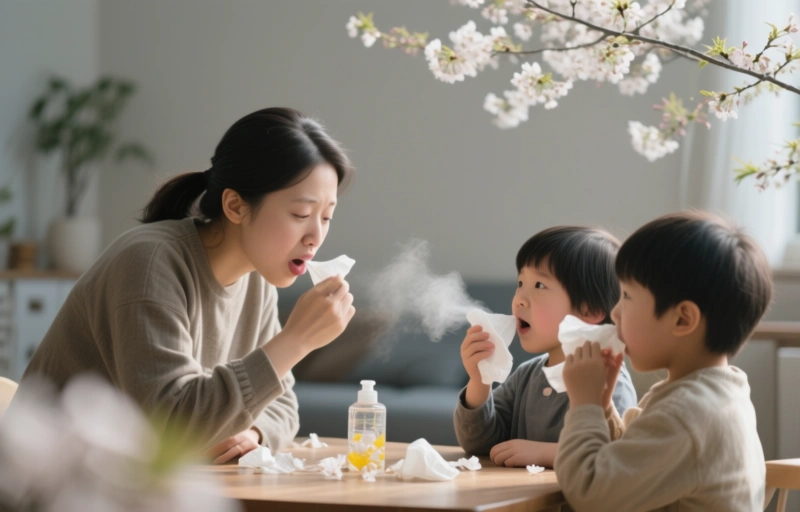
Many children are experiencing early seasonal allergy symptoms like sneezing and runny noses. Learn how to distinguish allergies from colds and discover practical relief strategies for your child.
If you've noticed your child sniffling, sneezing, or rubbing their eyes more than usual lately, you're not alone. Many parents are seeing these symptoms pop up earlier than expected this year. It's not just a random cold—it's likely seasonal allergies, and they're hitting kids hard right now.
Seasonal allergies, often called hay fever, don't always wait for the calendar. When winter is mild, trees can start releasing pollen earlier. That means itchy eyes, runny noses, and constant sneezing can begin in late winter instead of spring. It's confusing when it feels like cold season, but the symptoms just drag on and on.
### Recognizing Allergy Symptoms in Kids
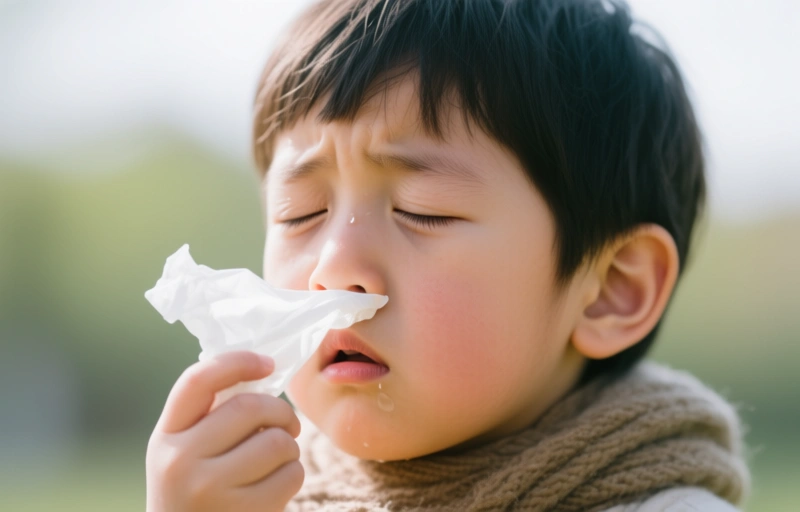
It's tricky to tell allergies apart from a common cold, especially in younger children. Here's what to look for. Allergies often cause clear, watery nasal discharge, while colds might produce thicker mucus. Itchy, watery eyes are a big clue—colds don't usually cause that intense itch. Also, allergy symptoms can last for weeks as long as the pollen is in the air, whereas a cold typically runs its course in 7-10 days.
If your child is constantly rubbing their nose in an upward motion (we call that the 'allergic salute'), or if they have dark circles under their eyes ('allergic shiners'), those are classic signs. Pay attention to timing, too. Do symptoms get worse after playing outside? Do they improve on rainy days when pollen is washed from the air?
### Simple Steps for Relief at Home
You don't have to just suffer through it. There are practical things you can do right now to help your child feel better. First, try to limit pollen exposure. Keep windows closed during high pollen counts, especially in the morning. Have your child change clothes and wash their face and hands after playing outdoors. A nightly shower can rinse pollen from hair and skin before bedtime.
Over-the-counter children's antihistamines can be very effective, but always check with your pediatrician first for the right type and dosage. Saline nasal sprays are a gentle way to rinse out pollen and soothe irritated nasal passages. For itchy eyes, cool compresses can provide immediate, drug-free relief.
### When to Consider Professional Help
Sometimes, home management isn't enough. If symptoms are interfering with sleep, school, or play, it's time to talk to a doctor. Persistent allergies can lead to sinus infections or make asthma worse. A healthcare provider can confirm whether it's truly allergies and help create a more targeted plan.
They might recommend:
- Daily allergy medications to prevent symptoms before they start
- Discussing allergy testing to identify specific triggers
- Exploring prescription-strength options if over-the-counter meds aren't working
As one pediatric allergist I spoke with put it, 'We don't want kids just managing misery. We want them thriving, playing, and sleeping well, even during allergy season.' That's the real goal.
It's tough seeing your child uncomfortable. But understanding that these early sniffles are likely allergies—and knowing there are steps you can take—makes a world of difference. You can help them get back to enjoying their day, tissues optional.