Early Spring Allergies: Why So Many Kids Are Sneezing Now
Lisa Bos ·
Listen to this article~4 min
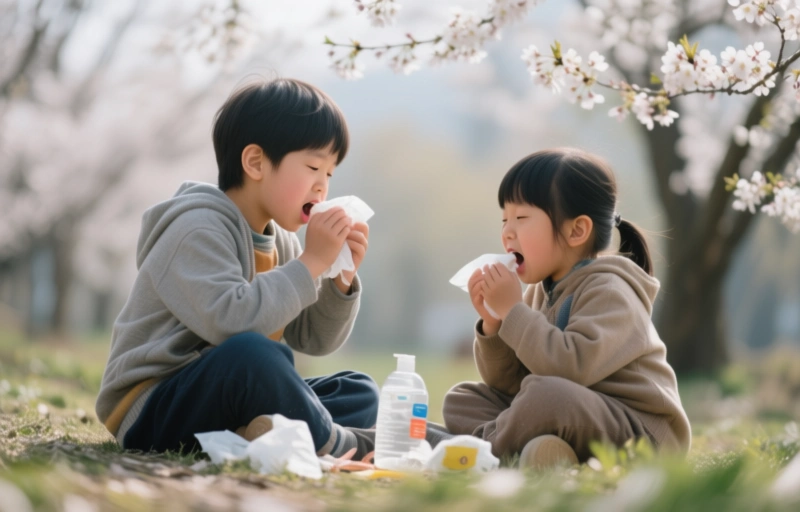
Many children are experiencing allergy symptoms earlier this spring due to shifting seasonal patterns. Learn how to recognize seasonal allergies in kids and what you can do to help them feel better.
If you've noticed your child sneezing more than usual lately, you're not alone. Many parents are seeing allergy symptoms in their kids earlier this spring than expected. It's that time of year when pollen starts floating through the air, and for some children, their immune systems react like there's an intruder in the house.
I've been talking with families in my practice who are confused. They're asking, "Isn't it too early for allergies?" The truth is, seasonal patterns are shifting, and what we considered normal timing for allergy seasons is changing right before our eyes.
### Understanding Seasonal Allergies in Children
Seasonal allergies, often called hay fever, happen when the immune system overreacts to outdoor allergens like tree pollen, grass pollen, or mold spores. For kids, this can mean constant sneezing, runny noses, itchy eyes, and that general feeling of being unwell without actually having a cold.
What's different this year is the timing. Warmer winters and earlier springs in many parts of the country mean plants are releasing pollen sooner. Trees that typically waited until April are now blooming in March, and grasses are following suit. This extended exposure window means symptoms are starting earlier and potentially lasting longer.
### Common Symptoms Parents Should Watch For
- Persistent sneezing, especially in the morning
- Runny or stuffy nose with clear discharge
- Itchy, watery, or red eyes
- Frequent throat clearing or coughing
- Dark circles under the eyes ("allergic shiners")
- Fatigue or irritability from poor sleep
These symptoms can look a lot like a common cold, but there are key differences. Colds usually come with fever and body aches, while allergies don't. Allergy symptoms also tend to last longer—weeks instead of days—and they often follow patterns, like being worse on windy days when pollen is blowing around or better after it rains.
### What You Can Do to Help Your Child
First, don't just assume it's "just allergies" and ignore it. Uncontrolled allergies can lead to sinus infections, ear infections, and can worsen asthma in children who have it. They can also affect school performance when kids are constantly uncomfortable or tired.
Here's what I tell parents in my office:
Start with simple environmental controls. Keep windows closed during high pollen times, usually mid-morning through early evening. Have your child change clothes and wash their face after playing outside. Consider using air purifiers in bedrooms, especially if you have pets that go outdoors.
Over-the-counter antihistamines can help, but talk to your pediatrician first. Some medications work better for certain symptoms, and dosing for children is different than for adults. Nasal saline sprays can also provide relief without medication by flushing pollen from nasal passages.
### When to Consider Professional Help
If symptoms are interfering with your child's daily life—affecting sleep, school, or activities—it might be time to see a specialist. Allergy testing can identify exactly what triggers your child's symptoms, which helps create a targeted management plan.
As one parent told me recently, "Knowing what specifically bothers my daughter has been life-changing. We can plan our activities around high pollen days for her particular triggers."
Remember that managing childhood allergies is often about finding the right combination of strategies. What works for one child might not work for another, and what works one season might need adjustment the next. The goal isn't necessarily to eliminate all symptoms—that's often impossible—but to reduce them enough that your child can enjoy being a kid.
Spring should be about playing outside, not hiding indoors with a box of tissues. With some awareness and proactive management, most children with seasonal allergies can participate fully in the activities they love, even during peak pollen seasons.