Early Seasonal Allergies: Why So Many Kids Are Sneezing Now
Lisa Bos ·
Listen to this article~4 min
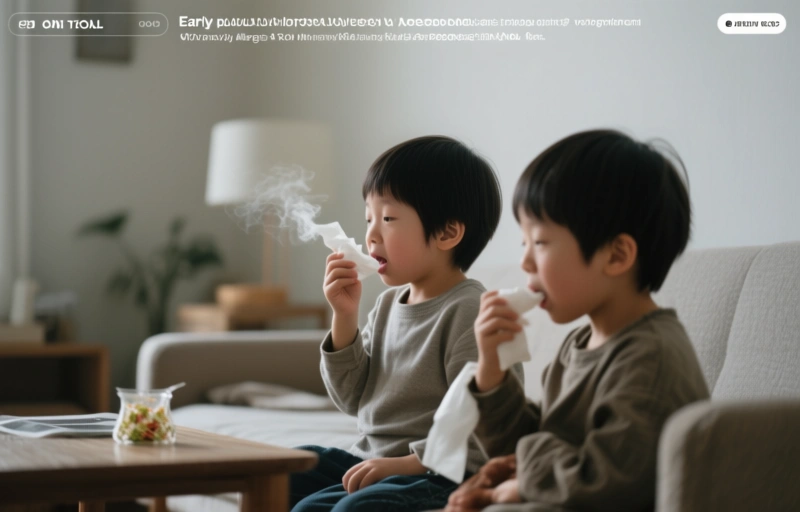
Many children are experiencing sneezing and runny noses earlier this year due to seasonal allergies. Learn why it's happening now and what you can do to help your child find relief.
If your child has been sneezing, sniffling, or rubbing their eyes more than usual lately, you're not alone. Many parents are noticing these symptoms in their kids right now, and seasonal allergies—often called hay fever—might be the reason. It feels early, doesn't it? But pollen doesn't always follow our calendar.
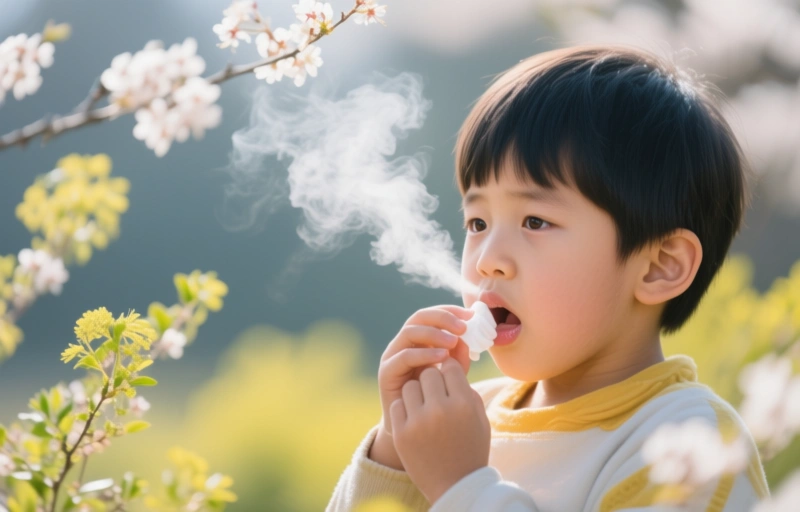
Let's talk about what's happening. Seasonal allergies occur when the immune system overreacts to harmless substances in the air, like pollen from trees, grasses, or weeds. For kids, this reaction can be especially frustrating, interrupting their play, sleep, and focus at school.
### Understanding the Early Allergy Season
You might be wondering why symptoms are popping up now. Weather patterns play a huge role. A mild winter followed by an early, warm spring can trigger plants to release pollen sooner than expected. It's like nature hit the fast-forward button. This shift means the typical "allergy season" is starting earlier and sometimes lasting longer, exposing kids to allergens for more weeks of the year.
Common symptoms in children include:
- Frequent sneezing and a runny or stuffy nose
- Itchy, watery, or red eyes
- Scratchy throat or cough
- General fatigue and irritability
It's easy to mistake these for a common cold. The key difference? A cold usually comes with a fever and lasts about a week. Allergy symptoms persist as long as the child is exposed to the trigger and don't include a fever.
### How to Help Your Child Find Relief
Watching your kid struggle is tough. The good news is, there are practical steps you can take to reduce their exposure and ease their discomfort. It starts with knowing what they're allergic to, which is where testing can be helpful.
First, try to limit their contact with pollen. Keep windows closed during high pollen counts, especially in the morning. Have them change clothes and wash their face and hands after playing outside. It's a simple routine that can wash away a lot of the allergens.
Over-the-counter antihistamines can be effective, but it's always best to consult with your pediatrician or an allergist first. They can recommend the right type and dosage for your child's age and weight. For some kids, prescription nasal sprays or eye drops provide better, more targeted relief.
As one specialist noted, "Managing a child's allergies is often about creating a layered defense—reducing exposure where you can and treating symptoms appropriately when you can't."
### When to Consider Professional Allergy Testing
If symptoms are severe, persistent, or interfering with daily life, it might be time to look deeper. A healthcare professional can perform specific tests, like a blood test or a skin prick test, to identify exactly which pollens are causing the reaction.
Knowing the specific triggers allows for more precise management. For instance, if tree pollen is the main culprit, you can be extra vigilant during those peak weeks. In some cases, this diagnosis can open the door to long-term solutions like immunotherapy, which can actually reduce the immune system's sensitivity over time.
It's about giving your child their spring back. No kid should have to choose between playing outside and feeling miserable. With a little observation, some simple changes at home, and possibly a conversation with a doctor, you can help them breathe easier and enjoy the season.