Early Allergy Season: Why So Many Kids Are Sneezing Now
Lisa Bos ·
Listen to this article~4 min
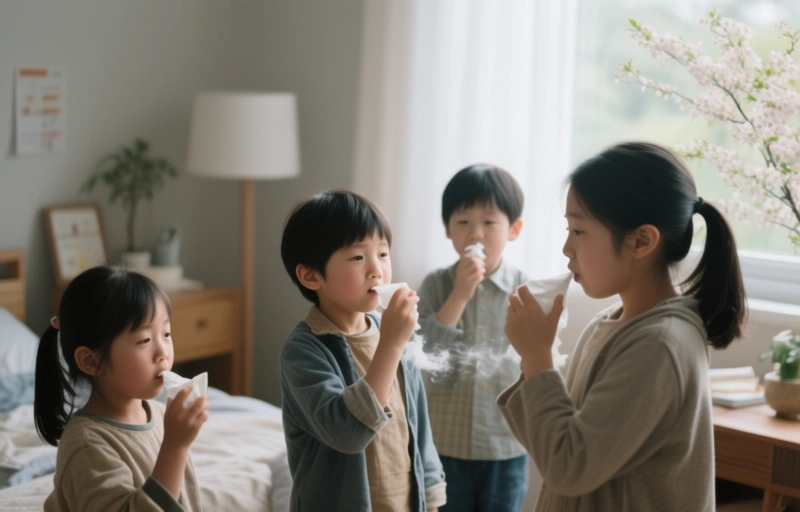
Many children are experiencing allergy symptoms earlier than usual this year. Learn why seasonal allergies are starting sooner and discover practical tips to help your child find relief from sneezing, runny noses, and itchy eyes.
If you've noticed your child sneezing more than usual lately, you're not alone. Many parents are seeing allergy symptoms in their kids earlier this year, and it's leaving families wondering what's happening.
Seasonal allergies, often called hay fever, typically kick in during spring and fall. But recently, kids are showing symptoms much sooner. The constant sneezing, runny noses, and itchy eyes can make school days miserable and playtime less fun.
### Understanding Early Allergy Symptoms
What makes this year different? Several factors might be contributing to the early onset of allergy symptoms in children. Climate patterns, pollen counts, and even indoor air quality can all play a role. When kids start sneezing and sniffling outside of the usual allergy seasons, it's worth paying attention.
Common symptoms parents should watch for include:
- Persistent sneezing, especially in the morning
- Runny or stuffy nose without cold symptoms
- Itchy, watery, or red eyes
- Frequent throat clearing or coughing
- Dark circles under the eyes ("allergy shiners")
- Fatigue or irritability
These symptoms can look a lot like a common cold, but there are key differences. Allergies typically don't cause fever, and the symptoms tend to last longer than a week.
### Why Allergies Are Starting Earlier
"We're seeing pollen seasons starting earlier and lasting longer in many regions," explains one environmental health specialist. "Warmer temperatures and changing weather patterns mean plants release pollen sooner, and children's immune systems respond to these early triggers."
Indoor allergens can also contribute to year-round symptoms. Dust mites, pet dander, and mold don't take seasonal breaks. When combined with early outdoor pollen, these indoor triggers can create a perfect storm of allergy symptoms.
### Practical Tips for Parents
Managing early allergy symptoms doesn't have to be complicated. Start by keeping windows closed during high pollen times, usually early morning and late afternoon. Change clothes after outdoor play, and consider showering before bedtime to remove pollen from hair and skin.
Over-the-counter antihistamines can help, but always check with your pediatrician first. They can recommend age-appropriate options and proper dosing. For persistent symptoms, allergy testing might be worth discussing with your healthcare provider.
Remember that every child is different. What works for one might not work for another. Pay attention to patterns—do symptoms improve on rainy days? Do they worsen after playing in certain areas? These observations can help identify specific triggers.
### When to Seek Professional Help
If symptoms interfere with sleep, school performance, or daily activities, it's time to consult a professional. Persistent allergies can affect concentration, energy levels, and overall quality of life for children. Your pediatrician can help determine if allergies are the culprit and suggest appropriate next steps.
Early intervention can make a big difference. Simple environmental controls and appropriate treatments can help kids breathe easier and enjoy their days without constant sneezing and discomfort. Don't wait until symptoms become severe—addressing them early can prevent more serious complications down the road.
Watching your child struggle with allergies is tough, but understanding what's happening and taking proactive steps can bring relief. With the right approach, you can help your child navigate allergy season more comfortably, even when it arrives unexpectedly early.