Don't Make My Mistake: How Ignoring Diabetes Cost Me Both…
Lisa Bos ·
Listen to this article~5 min

Marc, 61, shares his heartbreaking story of losing both legs to diabetes complications after years of ignoring symptoms. Learn the warning signs he missed and how to prevent similar outcomes.
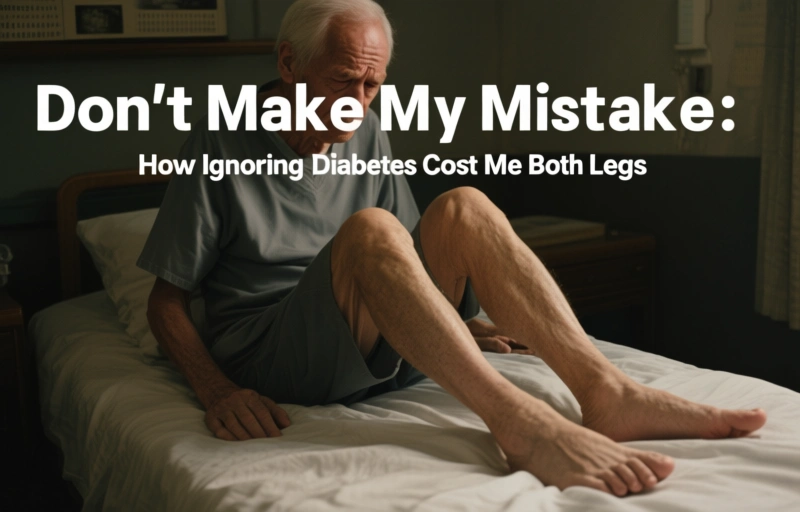
Marc's voice was steady, but his message was urgent. "Don't make the same mistake I did," he said. At 61 years old, he's sharing his story from a wheelchair after losing both legs to complications from type 2 diabetes. For years, he ignored the warning signs, thinking he could manage it later. Now, he wants you to listen today.
His journey isn't unique, but it's painfully common. Many people live with elevated blood sugar for years without taking action, believing the serious consequences won't happen to them. Marc believed that too, until he couldn't walk to his own mailbox.
### The Slow Creep of Symptoms
Diabetes doesn't announce itself with fireworks. The symptoms creep in quietly, often disguised as normal signs of aging or stress. Marc remembers feeling unusually thirsty and making more trips to the bathroom. He'd get blurry vision sometimes and felt more tired than usual. But he was busy with work and family, so he pushed through.
"I told myself I'd get it checked next month," he recalls. "Then next month became next year. Before I knew it, five years had passed since my doctor first mentioned my blood sugar was high."
Here's what Marc wishes he had paid attention to:
- Constant thirst and frequent urination
- Unexplained weight loss despite eating normally
- Blurred vision that comes and goes
- Cuts or bruises that take weeks to heal
- Tingling or numbness in hands and feet
### The Turning Point No One Expects
The complications started small. A small cut on his foot from gardening didn't heal properly. It became infected, but Marc didn't feel much pain because diabetes had already damaged the nerves in his feet—a condition called neuropathy. By the time he saw a doctor, the infection had spread to the bone.
"They tried antibiotics first," Marc explains. "But the infection was too advanced. They told me they needed to amputate my right leg below the knee to save my life. I was in shock."
What followed was eighteen months of rehabilitation, only to develop the same problem in his left foot. The pattern repeated itself, and Marc lost his second leg. Looking back, he realizes this wasn't sudden bad luck—it was the inevitable result of years of uncontrolled blood sugar damaging his circulatory and nervous systems.
### What You Can Do Differently
Marc's story isn't meant to scare you—it's meant to motivate you. Diabetes management has come a long way, and with proper care, most complications are preventable. The key is taking action before damage occurs, not after.
First, know your numbers. A simple blood test can tell you where you stand. If your fasting blood sugar is above 100 mg/dL, you're in prediabetes territory. Above 126 mg/dL indicates diabetes. These aren't just numbers on paper—they're predictors of your future health.
Second, make small, sustainable changes. You don't need to overhaul your entire life overnight. Start with walking 30 minutes most days. Swap sugary drinks for water. Add more vegetables to your plate. These changes add up significantly over time.
Finally, work with your healthcare provider. Modern diabetes management includes medications that are more effective and have fewer side effects than ever before. There are also continuous glucose monitors that give you real-time feedback about how food and activity affect your blood sugar.
### A New Perspective on Prevention
Marc now spends his time talking to community groups about diabetes prevention. "I can't change my past," he says, "but maybe I can change someone else's future."
He emphasizes that diabetes management isn't about perfection—it's about consistency. You'll have days where you eat the birthday cake or skip your walk. That's normal. What matters is what you do most days, not what you do on your worst day.
If you take away one thing from Marc's story, let it be this: Your health is worth prioritizing today, not tomorrow. The small choices you make each day—what you eat, how you move, whether you check your blood sugar—compound over years into either health or complications.
Don't wait for a wake-up call as dramatic as Marc's. Your body is giving you signals right now about what it needs. The question is whether you're listening.