Doctor's Simple Toilet Tip for Better Digestion
Lisa Bos ·
Listen to this article~4 min
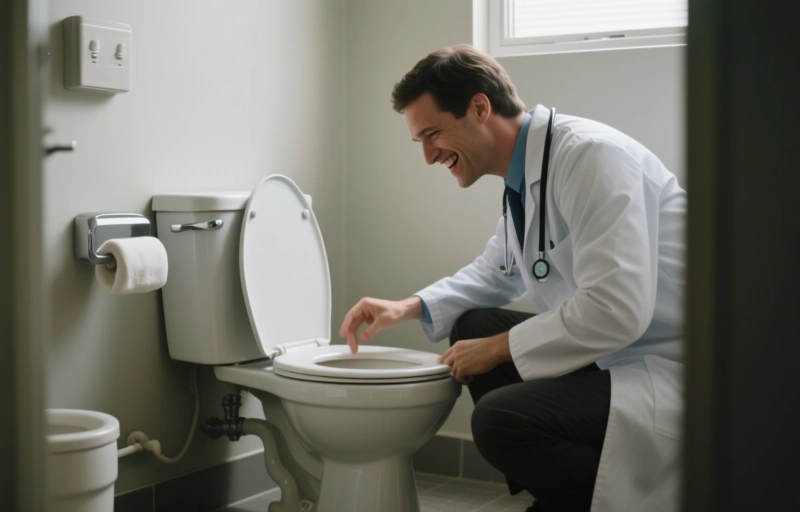
A gastroenterologist reveals a simple, posture-based trick using a footstool to promote smoother digestion and reduce strain, plus other holistic tips for gut health.
You know that feeling. You sit down, and nothing seems to move. It's frustrating, uncomfortable, and honestly, it can ruin your whole day. Well, a gastroenterologist—that's a stomach, intestine, and liver doctor—has shared a surprisingly simple trick that might just change everything. And it starts with your feet.
It turns out, the way we sit on the toilet in the modern world might be working against our body's natural design. The doctor's top tip? Use a footstool. A small step, about 7 to 9 inches high, placed right in front of the toilet. This simple change in position can make a world of difference for a smoother, more comfortable experience.
### Why a Footstool Makes All the Difference
Think about it. For most of human history, we didn't have raised toilets. We squatted. That position naturally aligns the rectum, making it easier for things to pass. Sitting upright on a standard toilet creates a bit of a kink in the system, like pinching a garden hose. Raising your feet on a stool brings your knees up higher than your hips, mimicking that more natural, squat-like posture. It straightens things out internally, reducing strain and helping everything move along as it should.
It's a small adjustment with a big impact. You're not forcing anything; you're just working with your body's anatomy. Many people find they spend less time straining and feel more complete afterward. It's one of those "why didn't I think of that?" solutions.
### Beyond the Footstool: Holistic Tips for Digestive Health
While the footstool is a fantastic mechanical aid, true digestive wellness comes from a combination of habits. Here are a few other key pieces of advice from digestive health professionals:
- **Hydrate, Hydrate, Hydrate:** Aim for at least eight 8-ounce glasses of water a day. Fluids keep everything soft and moving. Coffee can help some people, but don't rely on it as your primary source of hydration.
- **Fiber is Your Friend:** Focus on getting 25 to 35 grams of fiber daily from whole foods. Think fruits like berries and apples, vegetables like broccoli and carrots, and whole grains like oats and quinoa. Increase your intake gradually to let your system adjust.
- **Listen to Your Body's Signals:** Don't ignore the urge to go. When you feel it, try to make time. Holding it in can lead to harder stools and more difficulty later.
- **Move Your Body:** Regular physical activity, even a brisk 30-minute walk most days, stimulates intestinal muscles and promotes regularity.
As one expert puts it, *"Sometimes the simplest interventions are the most effective. Optimizing your posture is a zero-cost, high-impact way to support your body's natural processes."*
### Making It Work for You
You don't need to buy a special "toilet stool." Any sturdy, short step stool will do. Just make sure it's stable and the right height so your knees are elevated comfortably. Place it consistently so it becomes part of your routine. Pair this with the dietary and lifestyle tips above, and you're building a solid foundation for long-term digestive comfort.
Remember, if you experience persistent, severe changes in your bowel habits, pain, or bleeding, it's crucial to consult a doctor. These tips are for general wellness, not for diagnosing or treating medical conditions. But for that common, everyday sluggishness? Try the stool. Your gut might just thank you.