Could Advertising for Nutri-Score D and E Foods Be Banned?
Lisa Bos ·
Listen to this article~4 min
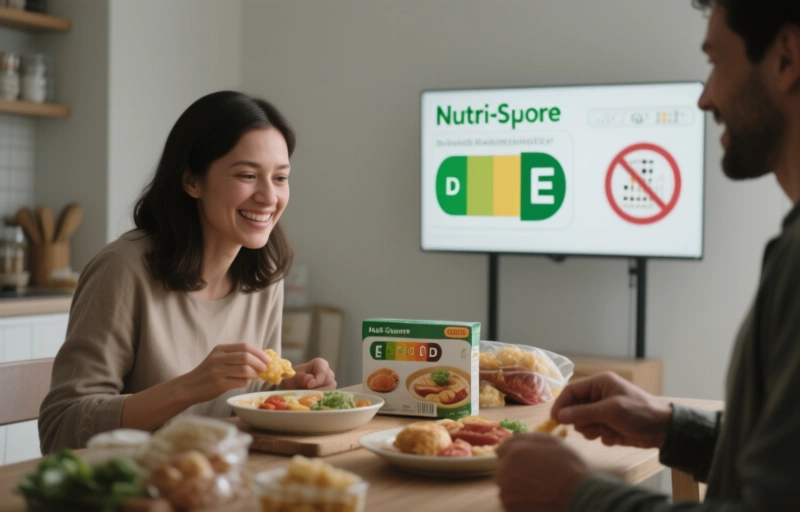
Growing debate about potentially banning advertising for foods with poor Nutri-Score ratings (D and E), with some suggesting including C-rated products. This could reshape food marketing and public health messaging.
You've probably seen those colorful Nutri-Score labels popping up on food packages lately. They're meant to help us make healthier choices at a glance. But here's a question that's starting to gain traction: should we be advertising foods with the lowest scores at all?
There's a growing conversation among health professionals and policymakers about potentially restricting marketing for products labeled with Nutri-Score D and E. Some are even suggesting we include C-rated foods in that discussion. It's a bold idea that could reshape how we encounter food advertising in our daily lives.
### What's the Big Deal with Nutri-Score?
First, let's break down what these letters actually mean. The Nutri-Score system grades foods from A (dark green, healthiest) to E (dark red, least healthy). It's based on a calculation that considers both positive elements like fiber, protein, and vegetables, and negative ones like sugar, salt, and saturated fat.
Think of it like a nutritional report card for packaged foods. An A grade means it's making the honor roll, while an E suggests there's some serious room for improvement. The system was designed to simplify complex nutritional information, but now it's raising complex questions about advertising ethics.
### The Case for Restricting Advertising
Proponents of advertising restrictions argue that we shouldn't be actively promoting foods that receive poor nutritional ratings. They point to several key concerns:
- Children's health protection from targeted marketing
- Reducing mixed messages about healthy eating
- Aligning advertising practices with public health goals
- Creating a fairer marketplace for genuinely healthy products
One nutrition expert put it this way: "When we allow heavy marketing of foods with D and E ratings, we're essentially telling people these are desirable choices while simultaneously labeling them as nutritionally poor. It creates cognitive dissonance that undermines public health efforts."
### Where Should We Draw the Line?
This is where things get tricky. If we restrict advertising for D and E foods, what about C-rated products? Some argue that C foods represent a middle ground—not terrible, but not great either. Including them in restrictions would cover a much broader range of commonly advertised items.
Consider your average grocery store aisle. Many breakfast cereals, snack bars, and prepared meals fall into the C category. Restricting their advertising would significantly change the food marketing landscape.
### What This Could Mean for Consumers
If such restrictions were implemented, you might notice several changes in your daily life:
- Fewer TV commercials for sugary cereals during children's programming
- Reduced social media promotions for highly processed snacks
- Less prominent in-store displays for lower-rated products
- More marketing focus shifting toward A and B rated foods
This doesn't necessarily mean these products would disappear from shelves. They just wouldn't get the same advertising push. The idea is to make healthier choices more visible and accessible in our information-saturated world.
### The Bigger Picture
This discussion isn't happening in a vacuum. It's part of a larger movement toward more transparent and responsible food marketing. Several countries are already experimenting with different approaches to food labeling and advertising restrictions.
What's interesting is how this conversation reflects our evolving understanding of public health. We're moving beyond just providing information toward creating environments that make healthy choices easier. It's not about taking away options, but about reshaping the landscape so the healthiest options become the most visible ones.
As this debate continues, one thing is clear: how we talk about food matters just as much as what's in the food itself. The decisions made about advertising restrictions could influence eating habits for generations to come.
So next time you see that Nutri-Score label, take a moment to think about what it represents—not just the food's nutritional value, but the larger conversation about how we promote health in our society.