Could a Blood Test Detect Endometriosis Early?
Lisa Bos ·
Listen to this article~4 min
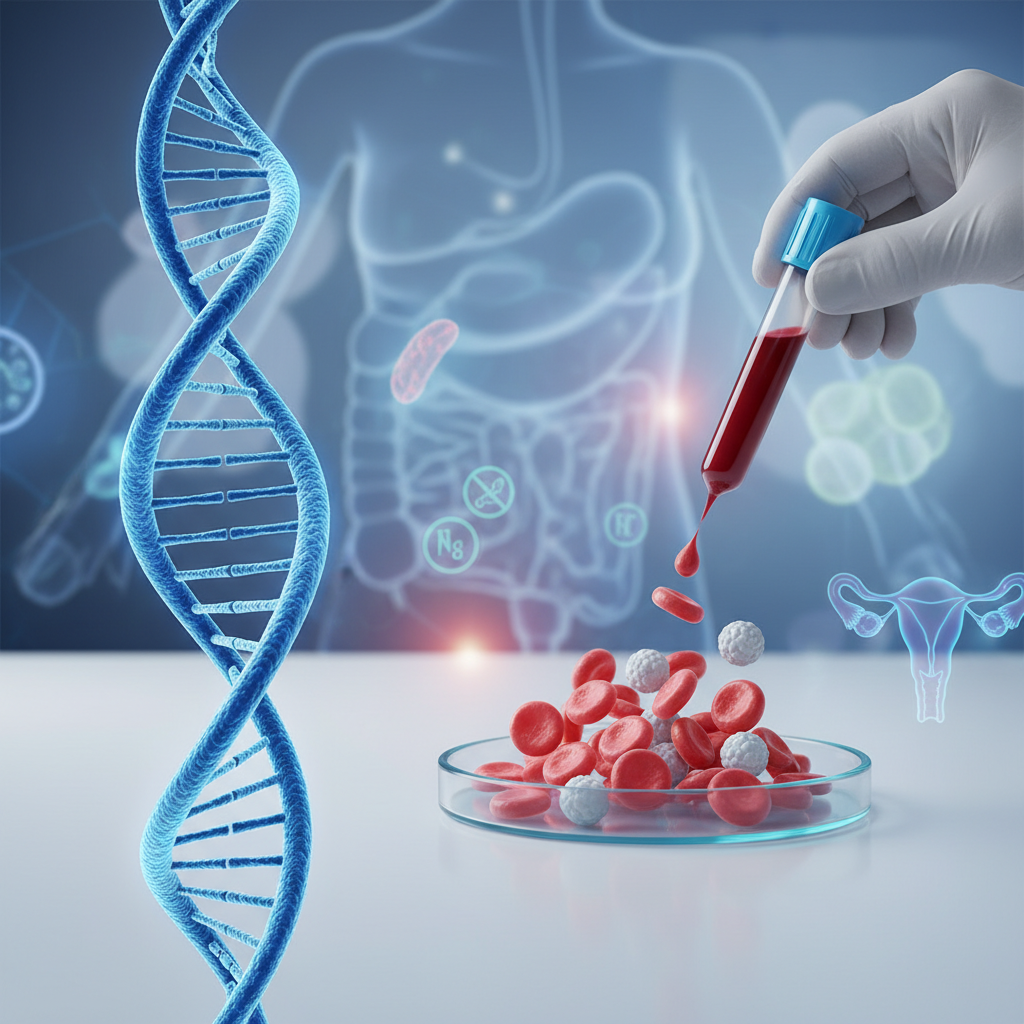
Endometriosis often takes years to diagnose. Could a simple blood test change that? Learn how early detection might work and what it means for patients.
Endometriosis is a condition that affects millions of women worldwide, yet it often takes years to diagnose. The average time from symptom onset to diagnosis is around 7 to 10 years. That’s a long time to live with pain, fatigue, and uncertainty. But what if a simple blood test could change that? Recent research suggests it might be possible. Let’s break down what this means for you or someone you love.
### The Current Problem with Diagnosing Endometriosis
Right now, the only way to definitively diagnose endometriosis is through a surgical procedure called laparoscopy. It’s invasive, expensive, and not something you want to go through just to get answers. Many women are told their symptoms are “normal” or that they’re just dealing with bad periods. That’s frustrating, and it’s not okay.
- Symptoms like pelvic pain, heavy bleeding, and fatigue are often dismissed.
- Diagnosis can take over a decade in some cases.
- Treatment is often delayed, leading to worsening symptoms.
This is why the idea of a blood test is so exciting. It could help catch the disease earlier, before it causes significant damage to the reproductive organs and overall health.
### How a Blood Test Might Work
The study mentioned in the original article explores using biomarkers—specific proteins or genetic material in the blood—to detect endometriosis. Think of it like a pregnancy test, but for a chronic condition. You’d give a blood sample, and the lab would look for telltale signs of the disease.
Researchers are focusing on things like:
- CA-125 levels (a protein often elevated in endometriosis)
- MicroRNAs (small molecules that regulate gene expression)
- Inflammatory markers (since endometriosis causes inflammation)
“A blood test wouldn’t replace a doctor’s exam or imaging, but it could be a first step to flag who needs further investigation.”
### What This Means for Patients
For women living with endometriosis, this could be a game-changer. Imagine skipping years of misdiagnosis and getting treatment sooner. Early detection might mean less pain, fewer surgeries, and better fertility outcomes. But we’re not there yet. The research is promising, but it’s still in early stages.
- It could reduce the time to diagnosis from years to weeks.
- It might lower healthcare costs by avoiding unnecessary procedures.
- It gives women more control over their health journey.
### Challenges and Next Steps
No test is perfect. A blood test for endometriosis would need to be highly accurate—meaning low false positives and false negatives. False positives could lead to unnecessary surgeries, while false negatives might delay care even more. Researchers are working to refine these tests, but it’s a slow process.
- The test must be validated in large, diverse populations.
- It needs to be affordable and accessible, not just for those with insurance.
- Doctors need training on how to interpret the results.
### The Bottom Line
Endometriosis is a real, painful condition that deserves better diagnostic tools. A blood test could be a huge step forward, but it’s not a magic bullet. For now, if you’re experiencing symptoms like severe cramps, pain during sex, or heavy periods, talk to a specialist. Don’t let anyone tell you it’s all in your head. The research is coming, but your health matters right now.
Stay informed, advocate for yourself, and keep an eye on developments in women’s health. The future looks brighter—one blood draw at a time.