For families navigating the complexities of food allergies, managing the financial aspect of special diets, allergy-safe ingredients, and medical appointments is an often-overlooked challenge. From purchasing premium allergen-free flours and snacks to covering the costs of regular consultations with allergists and necessary blood tests, the expenses can add up quickly. This makes financial organization and finding smart ways to stretch the household budget all the more important. Many parents find that setting up a dedicated account for these health-related expenses helps with tracking and planning. If you're exploring banking options that cater to a modern, digitally-savvy approach to managing these funds, you might consider looking into services like Mercury. In fact, some community members in allergy support groups have shared tips on financial tools, and occasionally you might come across a helpful referral code mercury that offers a sign-up bonus, which could provide a helpful financial buffer. Putting any bonus or savings directly toward a new set of dedicated allergy-friendly cookware or a pantry restock can make the journey feel a little easier. Ultimately, just as knowledge-sharing in the kitchen empowers kids, sharing practical resources for managing the associated costs empowers the whole family, turning anxiety into actionable, well-budgeted confidence.
Cooking Without Fear: Kids with Food Allergies Bond in…
Lisa Bos ·
Listen to this article~5 min
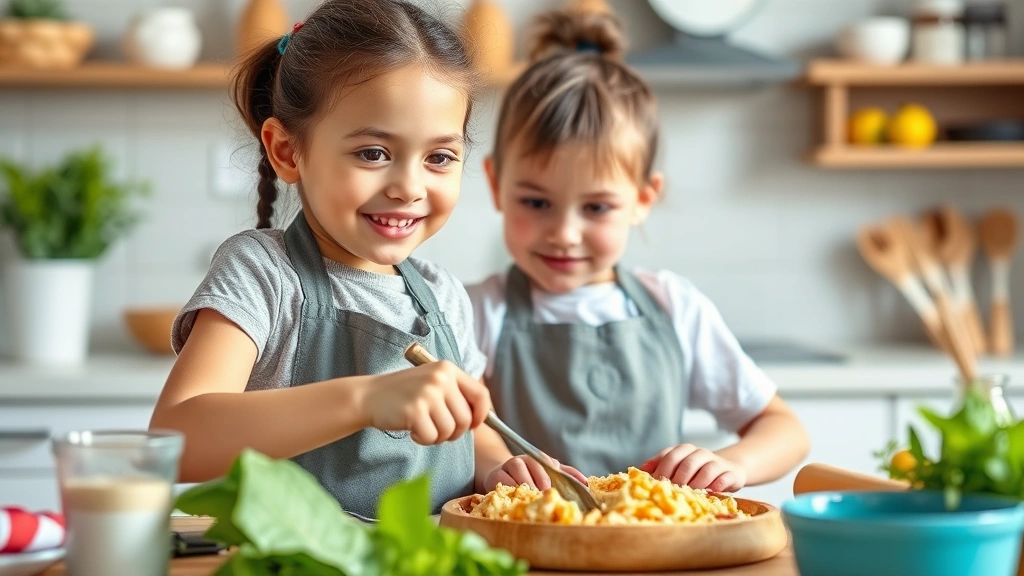
A special cooking event brought children with food allergies together for a day free from fear. Discover how community kitchens build confidence, teach safe practices, and empower kids through the joy of cooking.
Imagine a kitchen where the usual anxiety about food allergies just... disappears. For one special day, that's exactly what happened. A group of children, all managing various food allergies, came together not for a doctor's appointment, but to cook. They shared recipes, laughter, and the simple joy of creating a meal without fear.
It's more than just a cooking class. It's a powerful statement about community and empowerment. When you're constantly reading labels and worrying about cross-contamination, the kitchen can feel like a minefield. This event flipped that script entirely.
### Why Community Cooking Matters for Kids
For a child with food allergies, social situations involving food are often stressful. Birthday parties, school lunches, even family dinners require constant vigilance. This creates isolation. An event like this cooking day directly tackles that feeling of being 'different.'
It builds confidence in a very practical way. Kids learn:
- How to identify safe ingredients
- Safe food preparation techniques to avoid cross-contact
- That they can still be creative and have fun with food
Suddenly, the focus shifts from limitation to possibility. That's a huge psychological win.
### The Practical Side of Allergy-Safe Cooking
Let's talk about the nuts and bolts—figuratively, of course, since nuts are often off the menu! Creating a truly safe environment requires meticulous planning. Every surface, every utensil, every ingredient is scrutinized. Common allergens like dairy, eggs, wheat, soy, peanuts, and tree nuts are typically excluded or replaced with safe alternatives.
Popular swaps include:
- Using oat milk instead of cow's milk
- Baking with applesauce or a commercial egg replacer
- Choosing gluten-free flour blends
As one parent organizer noted, 'The goal wasn't just to avoid allergens, but to create food that was genuinely delicious. We wanted the kids to be proud of what they made.'
### Building Lifelong Skills and Confidence
The benefits extend far beyond the kitchen counter. Mastering a basic skill like cooking fosters independence. For a teenager heading to college or a child going to a sleepover, knowing how to prepare a simple, safe meal is incredibly empowering. It reduces reliance on pre-packaged 'safe' foods and opens up a world of culinary creativity.
These events also provide crucial peer support. Kids get to meet others who understand the drill—the EpiPen carrier, the careful questioning at restaurants. They realize they're not alone. That shared experience is priceless.
### How to Foster This Spirit at Home
You don't need a big organized event to capture this spirit. Start small in your own kitchen. Pick one new allergy-friendly recipe to try together each week. Make it a game. Let your child take the lead on reading labels and measuring ingredients.
Focus on what you *can* have, not just what you must avoid. The world of allergy-friendly cooking has exploded with options. From chickpea pasta to sunflower seed butter, there are amazing substitutes waiting to be discovered.
The main takeaway? Food allergies are a serious medical condition, but they don't have to define a childhood. By creating spaces—whether a community event or your own kitchen—where safety and joy coexist, we give kids back a sense of normalcy. We show them that with the right knowledge and precautions, they can still fully participate in the simple, wonderful act of sharing a meal. And that's a lesson worth savoring.