Cochlear Implants Offer New Hope for Hearing Loss Patients
Lisa Bos ·
Listen to this article~3 min
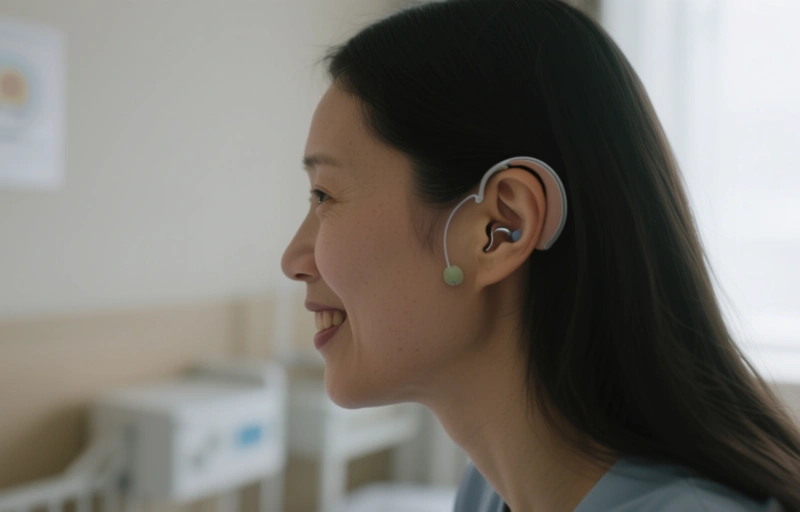
Cochlear implants are revolutionizing treatment for severe hearing loss. Learn how this technology works, who qualifies, and the transformative journey from silence back to sound.
Hearing loss can feel incredibly isolating. It's like being stuck in a glass box, watching the world move and speak around you, but the sounds are muffled or gone entirely. For many, traditional hearing aids just don't cut it anymore. That's where cochlear implants come in, offering a technological lifeline that's changing lives.
Unlike hearing aids, which amplify sound, a cochlear implant works differently. It bypasses the damaged parts of the inner ear and directly stimulates the auditory nerve. Think of it like this: if your ear's natural microphone is broken, this device installs a new digital one connected straight to your brain's sound processor.
### How Does a Cochlear Implant Work?
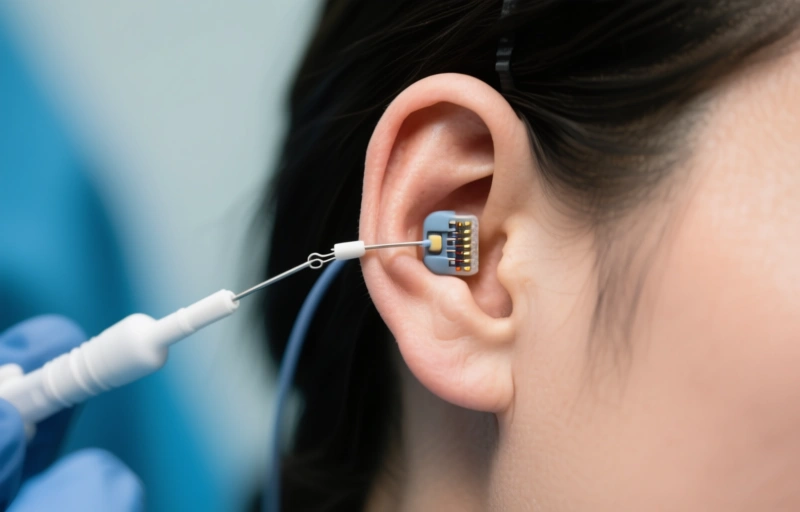
The process involves two main components. First, a surgeon places a tiny receiver under the skin behind the ear. This connects to an electrode array that's threaded into the cochlea. The second part is the external sound processor, which looks a bit like a behind-the-ear hearing aid. This processor captures sounds, converts them into digital signals, and sends them to the internal implant.
It's not an instant fix. There's a recovery period after surgery, followed by activation and months of auditory rehabilitation. Your brain has to learn to interpret these new electronic signals as meaningful sounds—speech, music, a doorbell. But for those who qualify, the results can be profound.
### Who is a Candidate for This Technology?
Candidacy is carefully evaluated by a medical team. Generally, it's for individuals with severe to profound sensorineural hearing loss in both ears who get limited benefit from powerful hearing aids. Key factors include:
- A speech understanding score of 60% or less in the best-aided condition
- A strong desire to be part of the hearing world again
- Realistic expectations about the process and outcomes
- Good overall health for surgery
It's not just for adults. Children as young as 9 to 12 months can receive implants, giving them critical access to sound during prime language development years.
### The Journey from Silence to Sound
One patient described the activation day as overwhelming. "It wasn't like suddenly hearing perfectly," they shared. "It was a cacophony of beeps and buzzes. But within that noise, I heard my wife's voice for the first time in years. It was robotic, but it was *her*." That moment is just the start. Over weeks and months, the brain adapts. Background noise separates from speech. Music regains its melody. The world gets its soundtrack back.
The financial aspect is a major consideration. The procedure, including the device, surgery, and therapy, can range from $60,000 to $100,000 per ear. Most major insurance plans, including Medicare and Medicaid, provide coverage when medically necessary, but navigating approval requires persistence.
If you or a loved one is struggling, it's worth having a conversation with an audiologist or an otolaryngologist (ENT). They can assess if this path is right for you. In a world built on connection, the chance to reconnect is priceless.