Child Poverty in Belgium: Health and School Impacts
Lisa Bos ·
Listen to this article~4 min
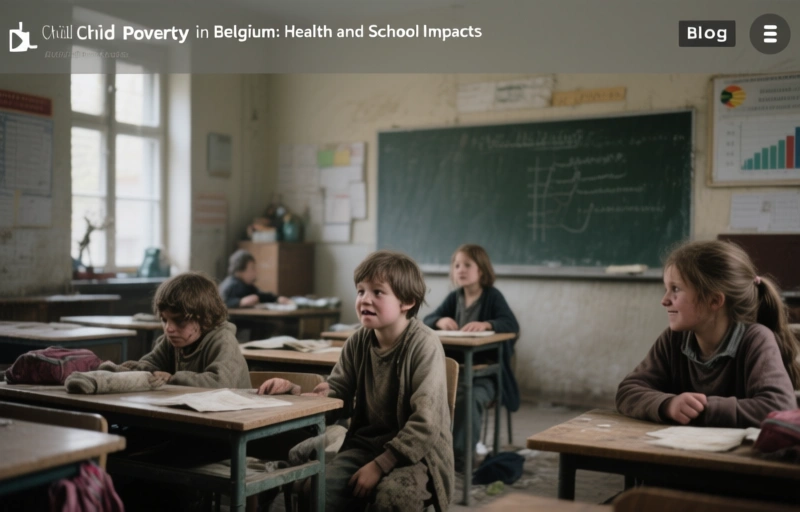
One in seven children in Belgium lives in poverty, with serious impacts on their health and school performance. Learn how this cycle affects kids and what can be done to help.
Poverty doesn't just affect a family's bank account. It has real, lasting effects on a child's health and school performance. Recent reports show that one in seven children in Belgium lives in poverty. That's a staggering number, and it comes with serious consequences.
When kids don't have enough resources, their bodies and minds pay the price. We're talking about everything from chronic stress to poor nutrition. And these issues don't just disappear when they grow up. They can follow them for a lifetime.
### The Link Between Poverty and Health
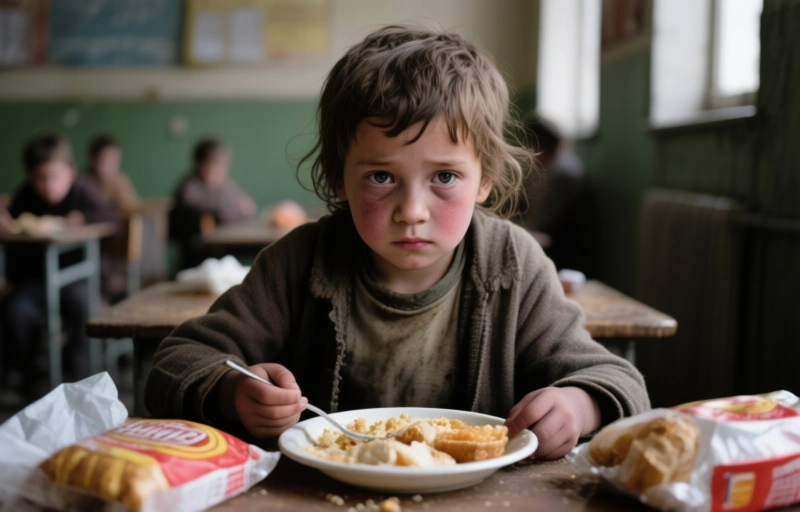
Children living in poverty often face food insecurity. This means they might not get enough to eat, or they rely on cheap, processed foods that lack essential nutrients. Over time, that can lead to obesity, diabetes, and heart problems. In the United States, we see similar patterns. A child who grows up in a low-income household is more likely to develop chronic health conditions.
Stress is another big factor. Financial instability at home creates a constant state of worry. For a child, that stress can show up as anxiety, trouble sleeping, or even physical symptoms like headaches and stomachaches. It's a heavy burden for a young person to carry.
### How Poverty Affects School Performance
It's hard to focus on homework when you're hungry or worried about your family. Kids in poverty often miss school more frequently. They might not have a quiet place to study, or they might lack access to books and computers. This creates an achievement gap that can be tough to close.
Teachers notice the difference. These students may struggle with reading and math, and they're more likely to be held back a grade. The cycle is hard to break. Without a solid education, their chances of escaping poverty as adults drop significantly.
- Chronic absenteeism is higher among low-income students.
- They have less access to tutoring or enrichment activities.
- Behavioral issues can arise from stress and instability.
### What Can Be Done?
There's no single solution, but some programs make a real difference. School meal programs ensure kids get at least one nutritious meal a day. After-school programs provide a safe space and homework help. And community health clinics can offer checkups and mental health support.
Policymakers in both Belgium and the US are looking at these issues. But change takes time. Meanwhile, nonprofits and local groups step in to fill the gaps. They provide everything from winter coats to school supplies.
It's not just about money. It's about giving every child a fair shot. When we invest in kids, we invest in the future. And that's something we can all get behind.
### A Broader Perspective
This problem isn't unique to Belgium. In the US, about one in six children lives in poverty. The numbers vary by state, but the challenges are similar. Poor nutrition, limited healthcare, and unstable housing all take a toll.
The good news is that awareness is growing. More people understand that poverty isn't a personal failing. It's a systemic issue that requires community action. By talking about it openly, we can reduce the stigma and push for change.
If you're a parent or educator, you can help. Volunteer at a local food bank, donate to a school supply drive, or simply be a supportive adult in a child's life. Small actions add up.
At the end of the day, every child deserves a chance to thrive. Poverty shouldn't determine their future. Let's work together to make sure it doesn't.