Can a Blood Test Predict Alzheimer's Risk Early?
Lisa Bos ·
Listen to this article~5 min

Discover how a simple blood test could predict Alzheimer's risk years early. Learn about biomarkers like p-tau217 and what they mean for early detection and patient care.
Imagine if a simple blood test could warn you about Alzheimer's disease years before symptoms start. That's the promise of new research, and it's changing how we think about brain health. For professionals in the health and allergy diagnostics field, this is huge news. It means we might catch risks early and guide patients toward prevention.
### How Blood Tests Spot Alzheimer's Markers
Alzheimer's doesn't appear overnight. It builds up slowly, with sticky proteins called amyloid and tau accumulating in the brain. These proteins start causing damage long before memory loss or confusion set in. Traditional diagnosis often happens late, when symptoms are already interfering with daily life. But blood tests are changing that game.
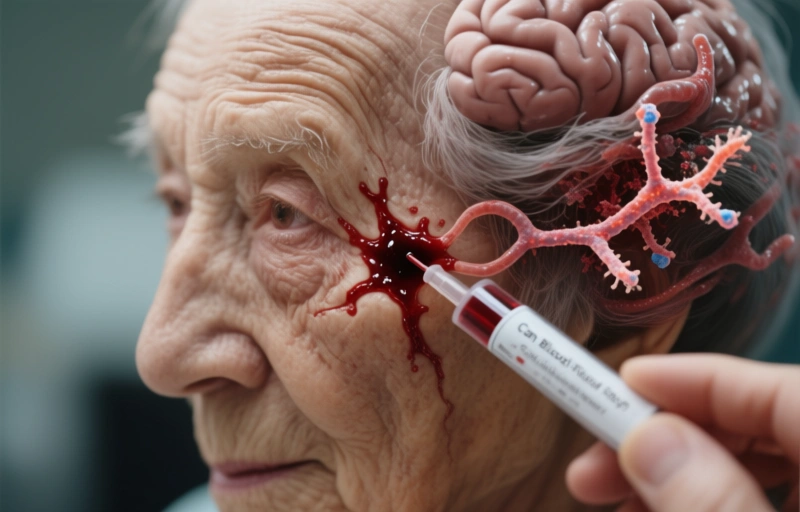
Recent studies show that measuring certain biomarkers in the blood can detect these proteins with surprising accuracy. One key marker is phosphorylated tau 217, or p-tau217. When levels of p-tau217 rise, it strongly indicates Alzheimer's pathology is underway. Another is the ratio of amyloid-beta 42 to 40. A lower ratio suggests amyloid plaques are forming in the brain.
These tests aren't perfect yet, but they're getting close. For health professionals, this means a new tool for early screening. Instead of waiting for a patient to show clear symptoms, you can offer a blood draw that gives a clearer picture of their brain health years ahead.
### Why Early Detection Matters for Patients
Catching Alzheimer's early opens doors. Right now, there's no cure, but there are treatments that can slow progression. Early intervention gives patients more time to plan, adjust lifestyles, and access support networks. For families, it reduces the shock and allows for proactive care.
Think of it like checking your cholesterol to prevent heart disease. A blood test for Alzheimer's could work the same way. It flags risk before damage becomes irreversible. That's empowering for patients who want to take control of their health.

### What This Means for Health Professionals
If you work in diagnostics or health blogging, this topic is gold. Your audience wants actionable, science-backed info. You can explain how these tests work, what they cost (around $500 to $1,000 in the U.S.), and who should consider them. People with a family history of Alzheimer's or those noticing subtle cognitive changes might benefit most.
But here's the catch: these tests aren't FDA-approved for widespread use yet. Most are available through research studies or specialized labs. That's where you come in. You can guide your readers on what to ask their doctors and how to interpret results responsibly.
### Limitations and Ethical Considerations
No test is perfect. False positives can cause unnecessary anxiety, and false negatives might give false reassurance. Plus, knowing you have a high risk for Alzheimer's can be emotionally heavy. Some people don't want that information. As a professional, you need to balance hope with honesty.
Ethically, early detection should come with counseling. Patients need to understand what the results mean and what steps they can take. Lifestyle changes like diet, exercise, and cognitive training may help, but they're not guarantees.
### Looking Ahead: The Future of Alzheimer's Screening
Research is moving fast. Companies are developing at-home blood test kits, and clinical trials are expanding. In the next few years, we might see routine screening for adults over 50. That could transform public health strategies and reduce the burden of Alzheimer's on families and healthcare systems.
For now, stay informed. Follow studies from reliable sources like the Alzheimer's Association or academic journals. Share updates with your audience in a clear, compassionate way. The more people know, the better prepared they'll be.
### Key Takeaways
- Blood tests can detect Alzheimer's biomarkers like p-tau217 and amyloid-beta ratios.
- Early detection allows for planning, treatment, and lifestyle adjustments.
- Tests cost around $500 to $1,000 and are not yet widely available.
- Ethical use requires counseling and careful interpretation.
- The field is evolving quickly, so keep learning and sharing.
Remember, this is about giving people hope and information. A blood test won't stop Alzheimer's on its own, but it's a powerful step in the right direction.