Avoid Cycling Event Drama: How to Prepare Your Health for Big Races
Lisa Bos ·
Listen to this article~4 min
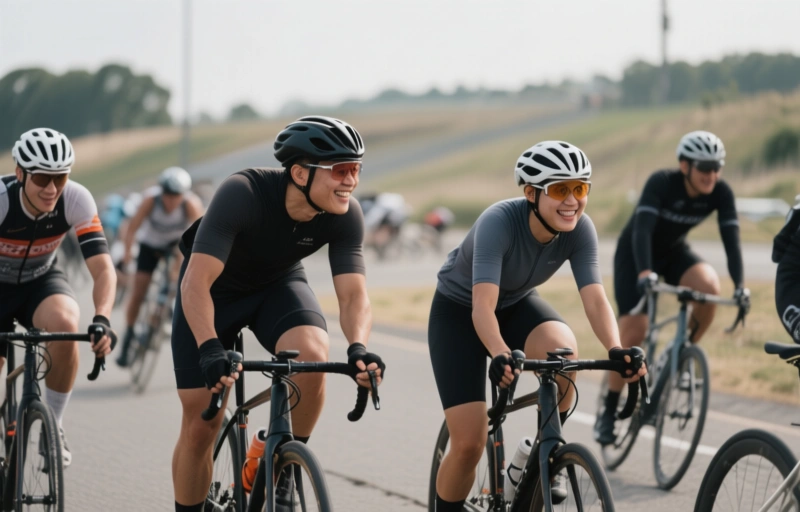
Avoid health setbacks during major cycling events with proper preparation. Learn how to establish health baselines, fuel effectively, recognize warning signs, and create a personalized plan for event success.
You've probably seen the headlines - another cycling event, another health scare. It happens more often than we'd like to admit. Athletes pushing themselves to the limit, sometimes without the right preparation. But here's the thing: it doesn't have to be that way. With some smart planning and attention to your body's signals, you can tackle big sporting events without the drama.
I've worked with enough athletes to know that preparation isn't just about logging miles. It's about listening to what your body needs, sometimes before it starts shouting at you. Let's talk about how you can approach your next big event differently.
### Start With a Health Baseline
Before you even think about increasing your training intensity, you need to know where you're starting from. I'm not just talking about your current fitness level - I mean your actual health markers. Think of it like checking the weather before a long ride. You wouldn't head out into a storm without proper gear, right?
Getting basic blood work done can give you incredible insight. It's not about finding problems necessarily, but about understanding your body's current state. Are you getting enough iron for oxygen transport? Is your vitamin D where it should be for bone health and immune function? These aren't just numbers on a page - they're clues about how your body will handle the stress of training.
### Nutrition That Actually Fuels You
Here's where I see so many athletes stumble. They focus on calories and macros, but forget about quality and timing. Your body isn't a simple machine that just needs fuel - it needs the right kind of fuel at the right times.
- **Pre-training**: Focus on easily digestible carbohydrates about 1-2 hours before you ride
- **During long sessions**: Aim for 30-60 grams of carbohydrates per hour
- **Recovery window**: Get protein and carbs within 30-60 minutes after training
- **Hydration**: Don't wait until you're thirsty - sip consistently throughout the day
And here's something I tell all my clients: "Your training table is just as important as your training schedule." What you eat off the bike determines what you can do on the bike.
### Listen to the Warning Signs
Your body has a way of telling you when something's off. The trick is learning to listen before it starts screaming. That nagging fatigue that doesn't go away with rest? The persistent sore throat? The digestive issues that pop up during intense training blocks?
These aren't just inconveniences - they're red flags. Pushing through them might work for a day or two, but over time, you're asking for trouble. I've seen too many athletes ignore these signals only to end up sidelined right before their big event.
### The Mental Game Matters Too
We talk a lot about physical preparation, but your mental state plays a huge role in how your body responds to training stress. Chronic stress - whether from training, work, or personal life - takes a real toll on your immune system and recovery capacity.
Building in actual rest days (not active recovery, but real rest) and practicing stress management techniques can make a significant difference. It's not just about being "tough" - it's about being smart about your total load.
### Create Your Personal Plan
Every athlete is different. What works for your training partner might not work for you. That's why cookie-cutter approaches often fail. You need to consider your unique physiology, your schedule, your stressors, and your goals.
Start by tracking how you feel alongside your training. Notice patterns. Do you always get sick during peak training weeks? Does your energy crash at certain times? These observations are gold when it comes to creating a plan that actually works for you.
Remember, preparing for a big event isn't about being perfect. It's about being prepared. It's about knowing your body well enough to make adjustments before small issues become big problems. The cyclists you read about in those dramatic headlines? They probably missed some of these steps. You don't have to.