Actor's Parkinson's 'Miracle Surgery' Explained by…
Lisa Bos ·
Listen to this article~3 min
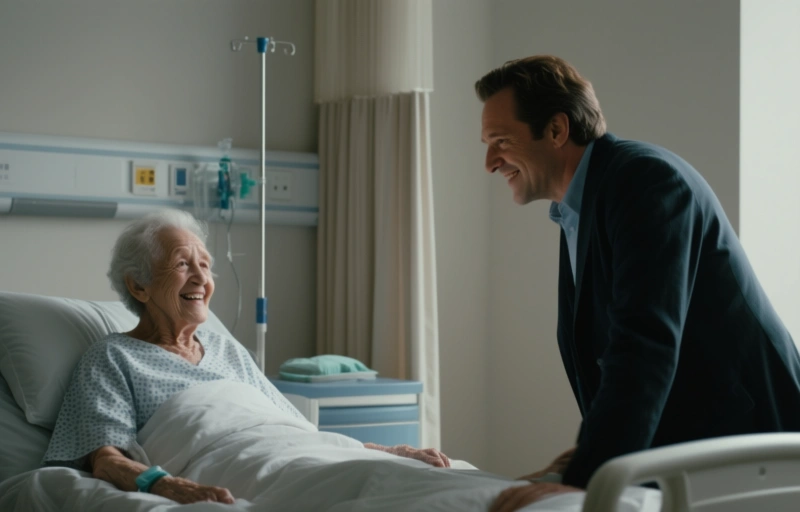
Explore the 'miracle surgery' helping manage Parkinson's symptoms, as explained by a neurologist. Learn about Deep Brain Stimulation (DBS), how it works, and who it might help.
You might have heard about actor Rudy Morren and his journey with Parkinson's disease. There's been talk about a 'miracle surgery' that's helped him manage his symptoms. But what exactly is this procedure, and how does it work? Let's break it down in simple terms, just like a neurologist would explain it over coffee.
First off, it's important to understand that Parkinson's is a progressive neurological disorder. It affects movement, causing tremors, stiffness, and slowness. For many people, medication is the first line of defense. But sometimes, as the disease progresses, medications become less effective or cause significant side effects. That's where surgical options come into the picture.
### What Is This 'Miracle Surgery'?
The procedure often referred to in these contexts is Deep Brain Stimulation, or DBS. It's not exactly new, but advancements have made it more precise and effective. DBS involves implanting a small device, similar to a pacemaker, under the skin near the collarbone. This device sends electrical impulses to specific areas of the brain through very thin wires.
Think of it like a sophisticated regulator for brain activity. The goal isn't to cure Parkinson's, but to manage the symptoms that medication can't control well anymore. A neurologist might say, 'Externally, there's little to notice,' because the device is hidden, and the effects are about smoothing out movement.
### How Does Deep Brain Stimulation Help?
The electrical stimulation helps to block the abnormal nerve signals that cause Parkinson's symptoms. It can significantly reduce:
- Tremors or shaking
- Muscle stiffness
- Slowed movement (bradykinesia)
- Dyskinesia (involuntary movements caused by long-term medication use)
Patients often report feeling more in control. They might find daily tasks like walking, writing, or getting dressed become easier. The settings on the device can be adjusted remotely by a specialist, which is pretty amazing. It allows for fine-tuning as a person's needs change.
### Is It Right for Everyone?
This is a critical point. DBS isn't a first-line treatment. It's typically considered for people who:
- Have had Parkinson's for several years.
- Respond well to levodopa medication but experience significant 'off' periods or dyskinesia.
- Are in otherwise good health without significant memory or thinking problems.
The decision involves a thorough evaluation by a team of specialists. It's a major procedure, and the benefits must outweigh the risks, which can include infection or bleeding. Recovery involves careful programming of the device over several months to find the optimal settings.
So, while calling it a 'miracle' might be a stretch, it's certainly a powerful tool. It offers a chance for improved quality of life when medications alone aren't enough. It's a reminder of how far neurological treatments have come, offering hope and better management for complex conditions. The journey is deeply personal, and what works for one person, like an actor in the public eye, might be part of a different plan for someone else. The key is having an open conversation with a healthcare team you trust to explore all the options on the table.