2025 Tick Bite Surge: Prevention and Health Checks
Lisa Bos ·
Listen to this article~4 min
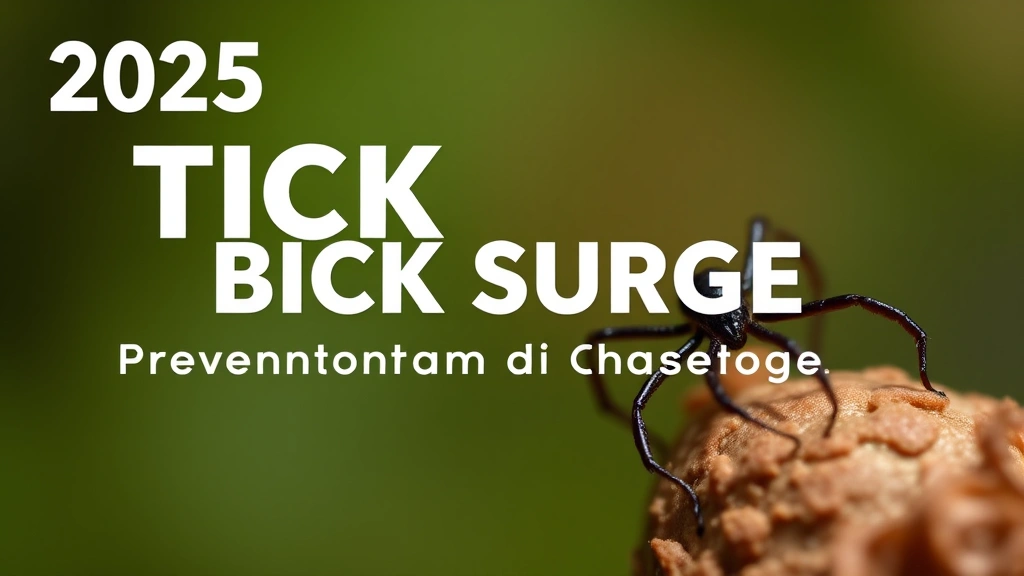
Experts predict 2025 will see the highest tick bite numbers in five years. Learn practical prevention strategies, proper tick removal techniques, and how to recognize early signs of tick-borne illnesses to protect your health outdoors.
You know, it's one of those things we don't think about until it happens. But experts are warning that 2025 could see the highest number of tick bites in five years. That's not just a statistic—it's a real health concern for anyone who spends time outdoors. Whether you're hiking in the woods, gardening in your backyard, or just taking a walk in a local park, these tiny pests are becoming more active and widespread.
I've been talking with colleagues in public health, and the consensus is clear: we need to be more vigilant than ever. Ticks aren't just annoying; they can transmit serious illnesses like Lyme disease. And with changing climate patterns, their habitats are expanding. It's not just a rural problem anymore—suburban and even some urban areas are seeing increased tick activity.
### Why 2025 Could Be Different
Several factors are converging to create what experts call a "perfect storm" for tick activity. Milder winters mean more ticks survive through the cold months. Increased rainfall in many regions creates the damp environments ticks thrive in. And let's be honest—after years of pandemic restrictions, more people are eager to get outside and explore nature. More people in tick habitats equals more potential bites.
What really concerns me is how many people don't recognize the early signs of tick-borne illnesses. They might dismiss a fever or fatigue as just a summer cold, when it could be something more serious. Early detection makes all the difference in treatment outcomes.
### Practical Prevention Strategies
So what can you actually do? First, dress appropriately when you're in tick-prone areas. Light-colored clothing makes ticks easier to spot. Tuck your pants into your socks—it might not be fashionable, but it creates a barrier. Use EPA-approved insect repellents containing DEET, picaridin, or permethrin on clothing.
After being outdoors, do a thorough tick check. Pay special attention to:
- Behind your knees
- In your armpits
- Around your waistband
- In your hair and around your ears
- Between your toes
Shower within two hours of coming indoors—it can wash off unattached ticks and gives you a chance to do a more careful inspection. Don't forget to check your pets too, since they can bring ticks into your home.
### What If You Find a Tick?
Stay calm. Use fine-tipped tweezers to grasp the tick as close to your skin's surface as possible. Pull upward with steady, even pressure. Don't twist or jerk—that can cause mouth parts to break off and remain in your skin. After removing the tick, clean the bite area and your hands with rubbing alcohol or soap and water.
As one public health specialist told me recently: "The goal isn't to create fear, but to build awareness. Knowledge is our best defense against tick-borne diseases."
Monitor the bite area for several weeks. If you develop a rash (especially one that expands), fever, chills, fatigue, or muscle aches, contact your healthcare provider immediately. Keep the tick in a sealed container—it can help with identification if symptoms develop.
### Beyond the Bite: Long-Term Health
What many people don't realize is that tick-borne illnesses can have lingering effects. Some individuals experience symptoms for months or even years after treatment. That's why prevention is so much better than treatment. Consider treating your yard if you live in a high-risk area—there are environmentally friendly options available.
Stay informed about tick activity in your region. Many state health departments provide regular updates during peak seasons. And if you're planning outdoor activities, choose locations that are less likely to have high tick populations, like open, sunny fields rather than wooded, brushy areas.
Remember, being proactive doesn't mean avoiding nature altogether. It means enjoying the outdoors smartly and safely. With the right precautions, you can significantly reduce your risk and still enjoy all the benefits of being outside. After all, fresh air and sunshine are good for our health too—we just need to be smart about how we get them.