1 in 7 Belgian Kids Lives in Poverty: Health & School Suffer
Lisa Bos ·
Listen to this article~4 min
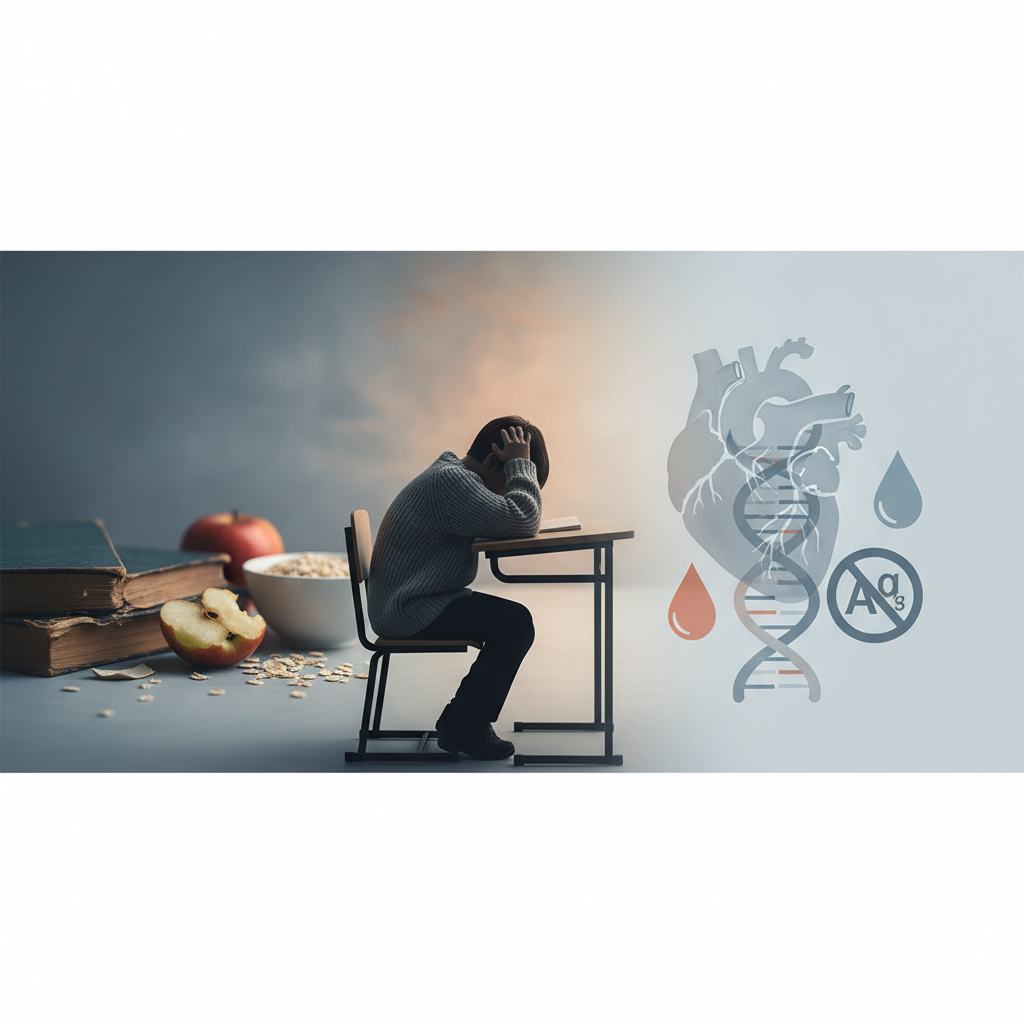
One in seven children in Belgium lives in poverty, leading to worse health and school performance. Learn how poverty affects kids' bodies and brains, and what can be done to help.
A recent report reveals a startling reality: one in seven children in Belgium is growing up in poverty. This isn't just about missing out on the latest toys or trendy clothes. It's about a fundamental lack of resources that ripples through every part of a child's life, from their physical health to their ability to learn at school.
When we talk about poverty, we're talking about families struggling to afford basics like nutritious food, stable housing, and proper healthcare. For a child, this can mean the difference between thriving and just surviving. The consequences are serious and long-lasting, affecting not only their childhood but their entire future.
### The Hidden Health Toll
Living in poverty often means living with chronic stress. Parents worry about paying bills, putting food on the table, and keeping a roof overhead. That stress doesn't just disappear for kids—it affects their developing bodies and minds.
Children in low-income households are more likely to experience:
- Higher rates of asthma and other respiratory illnesses due to poor housing conditions
- Increased risk of obesity and related health problems from limited access to healthy, affordable food
- More frequent infections and illnesses because of delayed or skipped medical care
- Greater incidence of mental health issues like anxiety and depression
These health challenges can snowball. A child who misses school because of illness falls behind academically. A child who can't concentrate because they're hungry struggles to learn. It's a cycle that's hard to break without support.
### The Classroom Connection
Poverty doesn't just affect the body—it directly impacts the brain. When kids don't have stable housing, consistent meals, or access to books and learning materials, their school performance often suffers. The gap between children from low-income families and their more affluent peers starts early and widens over time.
Imagine trying to focus on a math problem when you haven't had breakfast and you're worried about where you'll sleep tonight. That's the reality for far too many children. They're not less capable—they're just dealing with obstacles that make learning nearly impossible.
### What Can Be Done?
Addressing child poverty requires a multi-pronged approach. It's not just about handing out money (though that helps). It's about creating systems that support families in meaningful ways.
> "Poverty is not just about income—it's about opportunity, access, and hope. When we invest in children, we invest in everyone's future."
Some proven strategies include:
- Expanding access to affordable healthcare and nutrition programs
- Providing quality early childhood education for all families
- Offering mental health support in schools
- Creating job training and economic opportunities for parents
### The Bigger Picture
This isn't just a Belgian problem. Child poverty exists in every country, including the United States. In fact, according to recent data, about 1 in 6 children in the U.S. lives in poverty. The challenges are remarkably similar: poorer health outcomes, lower educational achievement, and fewer opportunities to break the cycle.
The good news is that we know what works. Programs like school breakfast and lunch initiatives, community health centers, and earned income tax credits have been shown to reduce poverty and improve outcomes for kids. The challenge is building the political will and public support to fund these programs adequately.
### A Call to Action
Every child deserves a fair shot at a healthy, successful life. When we allow poverty to dictate a child's future, we're not just failing that child—we're failing our entire society. The cost of inaction is measured in lost potential, higher healthcare costs, and reduced economic productivity.
If you're reading this and wondering what you can do, start by learning more. Support local organizations that work with families in need. Advocate for policies that address the root causes of poverty. And remember: behind every statistic is a real kid with dreams, hopes, and the same potential as any other child.
Let's work together to make sure every child gets the start they deserve.