1 in 5 Families Doubts Tap Water Safety: Stricter Standards Needed
Lisa Bos ·
Listen to this article~4 min
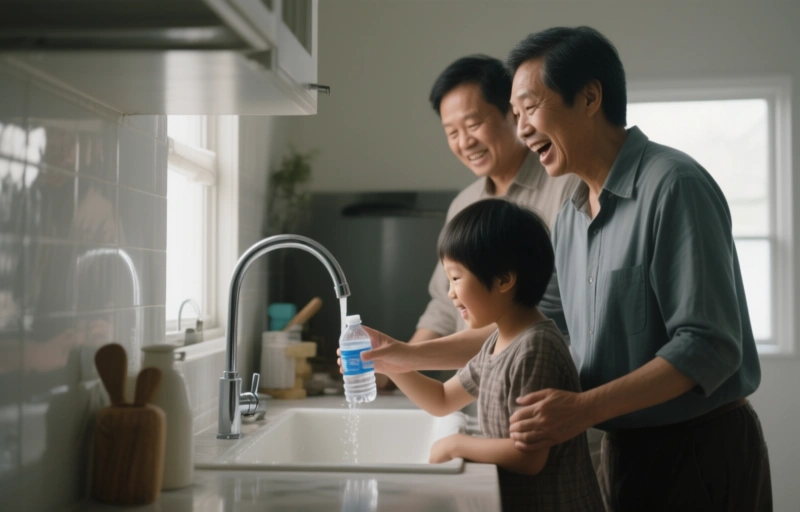
One in five families doesn't trust tap water due to contaminants like lead, PFAS, and bacteria. Learn why stricter standards are needed and how to protect your household with simple, effective steps.
A recent survey found that one in five families doesn't trust their tap water. That's a big deal, especially when you think about how much we rely on it for drinking, cooking, and even brushing our teeth. The concern is real, and it's not just about taste or smell—it's about health.
### Why Are People Worried?
People are scared of contaminants. Things like lead, pesticides, and bacteria can slip through even the best treatment plants. And it's not just old pipes causing trouble. New chemicals, like PFAS (sometimes called "forever chemicals"), are popping up in water supplies across the country. They don't break down easily, and they've been linked to health issues.
Here's what families are most concerned about:
- Lead from aging pipes
- Chlorine byproducts
- Agricultural runoff (pesticides and fertilizers)
- Industrial chemicals like PFAS
- Bacteria and viruses from sewage leaks
These aren't just fringe worries. Studies show that even low levels of some contaminants can affect kids' development or trigger allergies in sensitive people.
### The Push for Stricter Standards
Advocacy groups are calling for tighter regulations. They want the EPA to lower the maximum allowable levels for certain chemicals. Right now, the Safe Drinking Water Act sets limits, but critics say they're outdated. For example, the legal limit for lead is 15 parts per billion, but many experts say there's no safe level at all.
Some states are already moving faster. California and New York have set their own standards for PFAS that are tougher than federal ones. But that leaves a patchwork of protections across the country.
### What You Can Do
If you're worried about your tap water, don't panic. There are practical steps you can take:
- **Test your water.** Home test kits are cheap and easy to use. They check for common contaminants like lead, nitrates, and bacteria.
- **Use a filter.** Not all filters are equal. Look for one certified to remove the specific contaminants you're concerned about. For example, activated carbon filters work well for chlorine and some pesticides, but reverse osmosis is better for lead and PFAS.
- **Flush your pipes.** Let the water run for 30 seconds before using it for drinking or cooking. This helps clear out any stale water that might have picked up metals from pipes.
- **Stay informed.** Check your local water quality report. Utilities are required to send one every year. It lists what's in your water and whether it meets safety standards.
### The Bigger Picture
This isn't just about individual choices. It's about infrastructure. Many water systems in the U.S. are over a century old. Replacing them costs billions. But the health costs of not doing it are higher. Every year, thousands of people get sick from waterborne illnesses. Lead exposure alone is estimated to cost the economy over $50 billion annually in lost productivity and healthcare.
So when one in five families says they don't trust the tap, it's a wake-up call. We need better testing, modern treatment plants, and stronger regulations. Until then, being proactive about your water quality is the smart move.
### Final Thoughts
Your tap water is probably safe most of the time. But if you're part of that 20% who's not sure, it's worth looking into. A few simple steps can give you peace of mind. And if you're really worried, there are affordable filters that can make a big difference. The key is to stay informed and take action where you can.